

Subtotal $0.00


Table of Contents
- Vehicle Technology and Repair Complexity
- Supply Chain Disruptions and Parts Availability
- Rising Labor Costs and Technician Shortages
- Average Hourly Labor Rate for Auto Mechanics
- Inflation’s Impact on Automotive Repair
- Tariffs and Import Costs on Replacement Parts
- Aftermarket vs OEM Parts: Cost and Quality Trade-offs
- How to Save Money on Car Maintenance
- Frequently Asked Questions
Last Updated: September 18, 2026
Vehicle Technology and Repair Complexity
Modern vehicles are fundamentally different machines than they were a decade ago. What used to be mechanical systems governed by simple physics are now electronic ecosystems controlled by dozens of computers. This complexity is the primary driver behind why car repair costs increased recently.
A 2015 Cadillac with transmission issues isn’t just a transmission problem anymore, it’s a network of sensors, control modules, and software that all communicate with each other. When something goes wrong, technicians can’t simply replace a part and call it fixed. They need to diagnose which of multiple interconnected systems is actually failing, and that diagnosis requires specialized equipment and training.
Advanced driver-assistance systems (ADAS) represent the cutting edge of this complexity. Vehicles equipped with lane-keeping assist, automatic emergency braking, and adaptive cruise control contain cameras, radar, and lidar sensors that must be calibrated to exact specifications. A fender-bender that would have meant a simple paint job fifteen years ago now requires recalibrating these systems, a process that can take hours and requires equipment many independent shops don’t yet have.
The shift toward heavier vehicles and electric powertrains has compounded this issue. Battery management systems, electric motor controllers, and regenerative braking systems operate on principles that require completely different diagnostic approaches than traditional combustion engines. Technician shortages mean fewer people are trained in these new systems, which drives labor rates higher when shops do have someone qualified to handle them.
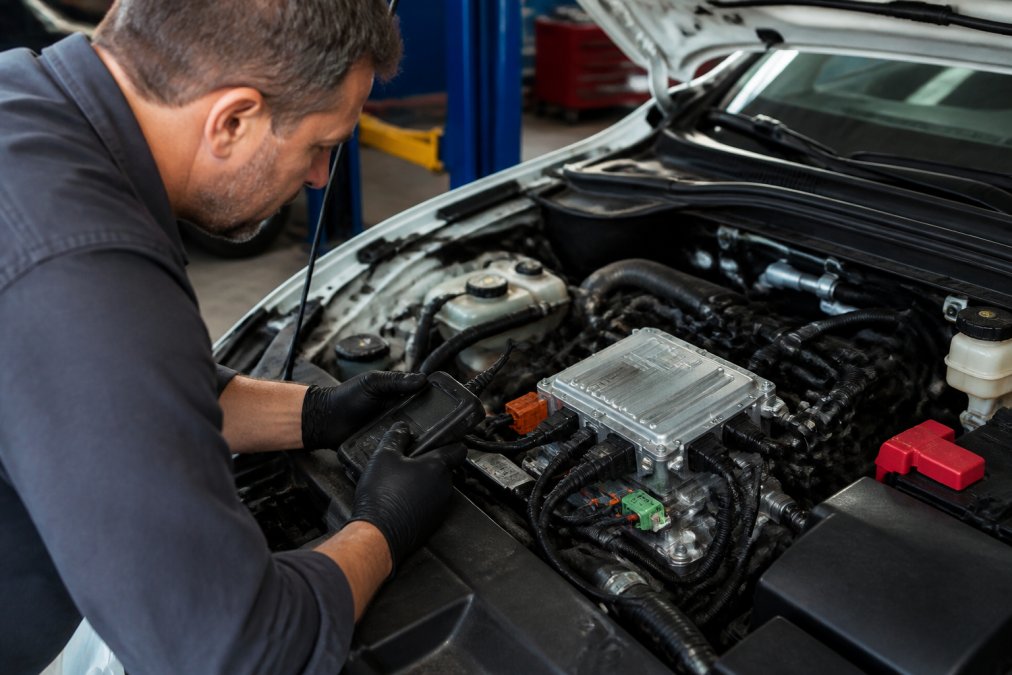
This is where investment in modern diagnostic technology matters. The gap between shops that have updated their equipment and those still relying on older methods translates directly into repair costs and accuracy. Shops without the right tools either turn away complex jobs or quote inflated prices because they’re working blind.
Supply Chain Disruptions and Parts Availability
The pandemic exposed fragility in automotive supply chains that nobody expected to recover this slowly. Parts that used to arrive within days now take weeks. Specialized components for newer vehicles sometimes require months of lead time. When your repair depends on a part that’s backordered, your car sits in the shop, and your repair bill grows while you wait.
Supply chain constraints affect replacement parts pricing in ways that cascade through the entire repair ecosystem. OEM components, parts manufactured by the vehicle’s original maker, face the same sourcing challenges as the parts that go into new car production. When a part is scarce, both new car manufacturers and repair shops are competing for limited inventory. That competition drives prices up, and those costs get passed directly to customers.
Aftermarket parts, which are manufactured by third-party companies, face their own supply pressures. Many aftermarket manufacturers rely on the same global supply chains as OEM suppliers. A shortage of semiconductors in Taiwan affects not just new car production but also the electronic components in replacement parts. The result is that both OEM and aftermarket options become more expensive and harder to source simultaneously.
Regional availability varies dramatically. A part readily available in major metropolitan areas might require special ordering in smaller markets. This geographic variance in parts availability means repair costs aren’t uniform, the same repair can cost significantly different amounts depending on your location and which suppliers your shop has relationships with.
Rising Labor Costs and Technician Shortages
The technician shortage is the single largest driver of labor cost increases in automotive repair. Fewer people are entering the trade, experienced technicians are retiring faster than replacements emerge, and the skills required for modern vehicles have become more specialized and harder to acquire. This supply-demand imbalance directly translates into higher hourly labor rates and longer wait times for appointments.
The Technician Pipeline Crisis:
Becoming a certified auto technician requires 4-6 years of formal training plus hands-on apprenticeship. Many vocational programs that trained technicians have closed or reduced enrollment. High school automotive programs have declined by over 50% in the past two decades. The result is that shops have fewer qualified technicians entering the workforce than they have experienced technicians retiring. This gap widens every year.
Specialized certifications compound the shortage. A technician certified in ADAS (Advanced Driver-Assistance Systems) calibration, electric vehicle diagnostics, or hybrid powertrain repair commands premium wages because these skills are rare. A shop that wants to service modern vehicles properly needs technicians with multiple certifications. Technicians with these certifications can earn $60,000-$85,000 annually, compared to $45,000-$60,000 for general technicians. Shops must pay these premium wages or lose their specialized staff to competitors.
Regional Labor Cost Variance:
Labor rates vary dramatically by geography, reflecting both local cost of living and regional demand for repair services:
Major metropolitan areas (New York, Los Angeles, Chicago, Boston): $110-$160 per hour. High rent, high cost of living, and concentrated demand for specialized services drive rates up. Shops in these markets often specialize in specific vehicle types or repair categories, allowing them to charge premium rates for expertise.
Mid-sized cities and suburbs: $85-$120 per hour. Lower overhead than major metros but still significant rent and operating costs. These markets have more competition, which moderates rates somewhat.
Rural and small-town markets: $60-$90 per hour. Lower rent and operating costs allow lower labor rates. However, fewer specialized shops means some repairs require traveling to larger towns, which adds time and cost.
Urban vs. rural variance: The same repair can cost 40-60% more in a major city than in a rural area, purely due to labor rate differences. A transmission diagnostic that costs $150 in a small town might cost $250 in a major city.
This geographic variance means your repair costs depend significantly on where you live. A consumer in a rural area might pay $600 for a repair that costs $900 in a major metro area, even at the same shop chain, because local labor rates differ.
How Labor Costs Have Increased Relative to Parts:
Labor costs have risen faster than parts costs in the past three years. While parts costs have increased 20-35% due to supply chain constraints and tariffs, labor rates have increased 25-40% due to technician scarcity and rising overhead. This means that for complex repairs involving significant diagnostic time, labor now represents a larger portion of your total bill than it did previously.
A transmission diagnostic that took 2 hours and cost $170 five years ago (at $85/hour) now costs $240-$280 (at $120-$140/hour), a 41-65% increase. The diagnostic itself hasn’t changed; the labor rate has. For repairs requiring 10+ hours of labor, this compounds significantly.
Shop Overhead and Its Impact on Labor Rates:
Shops need to charge higher labor rates to cover rising overhead, independent of technician wages. Diagnostic equipment, computerized scanning tools, ADAS calibration systems, battery testing equipment for electric vehicles, costs $50,000-$200,000 per shop. This equipment must be replaced or updated every 5-7 years as vehicle technology evolves. Shops spread this capital cost across billable hours, which increases the labor rate needed to break even.
Insurance costs for repair shops have risen substantially. Liability insurance, workers’ compensation, and equipment insurance now cost many shops $15,000-$40,000 annually, depending on size and specialization. A small shop with $500,000 in annual revenue might spend $25,000 on insurance, meaning insurance alone requires $12-$15 per billable hour just to break even.
Rent for shop facilities has increased in most markets. A shop that paid $3,000/month five years ago might now pay $4,500-$5,500/month for equivalent space. Utilities, especially for shops running diagnostic equipment and lifts, have risen 20-30%. These overhead costs are non-negotiable and must be covered by labor rates.
Certification Requirements and Training Costs:
Technicians need manufacturer-specific certifications to work on certain vehicles properly. General Motors, Ford, Toyota, and other manufacturers offer certification programs that technicians must complete to be authorized to perform warranty work or access manufacturer technical resources. These certifications require ongoing training, which costs shops $2,000-$5,000 per technician annually. Shops pass these training costs through to customers via labor rates.
Electric vehicle training is now mandatory for shops wanting to service EVs. This training covers high-voltage systems, battery management, and safety protocols specific to electric powertrains. A technician completing EV certification training might cost a shop $3,000-$8,000 in training fees and lost billable hours. Shops that have invested in EV-trained technicians charge accordingly.
The Wage Pressure Cycle:
When labor supply is constrained, shops compete for technicians by offering higher wages. A shop that pays $50/hour loses technicians to shops paying $55/hour. To retain staff, the first shop must match or exceed that rate. This wage competition drives rates up across the market. As technician wages rise, shops must increase labor rates to maintain profitability. Higher labor rates make repairs more expensive for consumers, which reduces demand for repairs, which reduces hours available for technicians, which creates pressure on technician wages again. This cycle has been accelerating for the past five years.
Why Hourly Rates Don’t Tell the Whole Story:
A shop charging $140/hour with certified technicians and modern diagnostic equipment often delivers better value than a shop charging $90/hour with less experienced staff and older equipment. The higher-rate shop might diagnose a problem in 1 hour; the lower-rate shop might take 3 hours, resulting in a higher total bill despite the lower hourly rate. When evaluating quotes, ask about technician certifications, diagnostic equipment, and warranty on work performed. These factors matter more than the hourly rate alone.
Average Hourly Labor Rate for Auto Mechanics
Labor rates at independent repair shops vary based on location, specialization, and shop overhead. In metropolitan areas, shops typically charge between $90 and $130 per hour. Rural areas tend to run lower, while specialized shops in major cities can charge $150 or more for complex diagnostics and repairs.
The wide range reflects real differences in cost structure. A shop in a high-rent district pays more for facility space. A shop with multiple certified technicians and modern diagnostic equipment has higher overhead than a basic operation. A shop that handles complex electrical and electronic repairs charges more because those services require specialized training and equipment.
What matters most is what you’re paying for. A higher hourly rate at a shop with certified technicians and modern diagnostic equipment often delivers better value than a lower rate at a shop without those capabilities. The lower-priced shop might take twice as long to diagnose a problem, which means the total bill ends up higher anyway.
Regional cost variance is significant. A repair that costs $500 in a smaller market might cost $700 in a major city, not because the work is different but because the underlying cost structure is different. Understanding your local market rates helps you evaluate whether a quote is reasonable or inflated.
Inflation’s Impact on Automotive Repair
General inflation affects every input that goes into automotive repair. The price of steel, aluminum, and other materials used in replacement parts has risen. The cost of electricity and fuel that shops use in their operations has increased. The rent shops pay for their facilities has gone up. All of these cost increases get absorbed into repair pricing.
Inflation affects labor differently than material costs. When inflation pushes up the general cost of living, technicians need higher wages just to maintain their standard of living. Shops that don’t raise labor rates lose technicians to other industries or to shops that do pay more. This creates an upward pressure on labor costs that’s tied to overall inflation but often exceeds it.
The impact compounds over time. A shop that absorbed inflation gradually over several years might suddenly find itself uncompetitive if it hasn’t raised rates. This creates pressure for sharper rate increases to catch up, which customers experience as sudden jumps in repair costs. The increases you’re seeing now often reflect accumulated inflation over multiple years.
Material costs have been particularly volatile. Some components became scarce and expensive, then normalized. Others remain elevated. Shops that buy parts at higher wholesale prices pass those costs through to customers. Unlike labor rates, which are relatively stable once set, material costs can fluctuate, which means your repair bill can vary depending on when you get the work done.
Tariffs and Import Costs on Replacement Parts
Import tariffs on automotive components directly increase the cost of replacement parts. A significant portion of aftermarket parts and some OEM components are manufactured overseas and subject to tariffs when imported. These tariff costs don’t disappear, they’re built into the wholesale price shops pay, which gets reflected in what you pay.
Tariffs affect different parts differently. Electronic components, sensors, and complex assemblies often come from overseas manufacturers and face tariff costs. Simple mechanical parts manufactured domestically face lower tariff impact. This creates a tiered cost structure where some repairs have become significantly more expensive due to tariffs while others remain relatively stable.
The tariff impact varies by vehicle type and repair category. Vehicles with more imported components face higher tariff-driven costs. Repairs involving electronic systems and sensors tend to be more affected than purely mechanical work. Understanding which repairs in your vehicle are tariff-sensitive helps explain why some repairs have become dramatically more expensive while others haven’t.
Shops have limited ability to absorb tariff costs. They can’t negotiate tariffs away, they pay what’s imposed on imported goods. They can either absorb the cost (which reduces their profit margin) or pass it to customers. Most shops pass at least some of the tariff cost through to customers because absorbing it would make many repairs unprofitable.
Aftermarket vs OEM Parts: Cost and Quality Trade-offs
Aftermarket parts are manufactured by companies other than the vehicle’s original manufacturer. They’re typically less expensive than OEM parts but vary widely in quality. Some aftermarket parts are excellent and nearly indistinguishable from OEM components. Others are cheaper because they’re built to lower standards and won’t last as long.
The cost difference between aftermarket and OEM parts can be substantial. An OEM part might cost $300 while a comparable aftermarket part costs $150. Over the life of your vehicle, choosing aftermarket parts saves money on individual repairs. The trade-off is that aftermarket parts might fail sooner, requiring replacement repairs sooner than an OEM part would.
Quality variance in aftermarket parts is the real issue. A reputable aftermarket manufacturer that sources quality materials and maintains strict quality control produces parts that are genuinely comparable to OEM components. A discount aftermarket supplier cutting corners on materials and manufacturing produces parts that fail prematurely. The problem is that you can’t always tell which is which before you buy.
Shops have different relationships with aftermarket suppliers. A shop that has worked with a particular aftermarket brand for years and seen good results will recommend it. A shop that’s had problems with cheap aftermarket parts will steer customers toward OEM components. Our approach prioritizes transparent communication about parts options, explaining the real differences in cost and expected lifespan so you can make an informed choice.
OEM parts carry a warranty from the vehicle manufacturer and are guaranteed to be compatible with your specific vehicle. They’re also more expensive, partly because of that warranty and compatibility guarantee. If your vehicle is still under manufacturer warranty, using OEM parts maintains that warranty coverage. Once your warranty expires, the cost-benefit calculation changes.
How to Save Money on Car Maintenance
Preventative maintenance remains the most cost-effective strategy to offset rising repair costs, but not all maintenance tasks deliver equal ROI in today’s pricing environment. Understanding which repairs have seen the steepest price increases helps you prioritize where preventative action saves the most money.
High-ROI Preventative Maintenance (Repairs with 40%+ cost increases):
Sensor replacements and electronic component repairs have seen among the highest price increases due to tariffs and supply chain constraints. A faulty oxygen sensor that cost $150 to replace five years ago now costs $250-$350, depending on the vehicle and whether you choose OEM or aftermarket. Preventative maintenance that extends sensor life, regular oil changes, air filter replacements, and fuel system cleanings, directly reduces the likelihood of premature sensor failure. The cost of preventative fuel system service is substantially less than replacing a failed oxygen sensor or catalytic converter.
Transmission fluid maintenance is another high-ROI area. Transmission repairs have become dramatically more expensive due to electronic control modules and the complexity of modern transmissions. A transmission fluid and filter change every 30,000-60,000 miles (depending on your vehicle) costs $150-$300 and can extend transmission life by 50,000+ miles. A transmission rebuild or replacement now costs $3,000-$5,000 or more. The preventative maintenance pays for itself many times over.
Brake system maintenance, including regular pad replacements and fluid flushes, prevents expensive rotor and caliper damage. Brake pads cost less to replace than rotors and calipers. Replacing pads before they damage rotors is straightforward ROI calculation.
Medium-ROI Maintenance (Repairs with 20-40% increases):
Cooling system maintenance (radiator flushes, thermostat replacement) prevents engine overheating, which can cause catastrophic engine damage costing $2,000-$4,000. The preventative work costs less than major engine damage.
Belt and hose replacements prevent breakdowns that strand you and lead to towing costs plus emergency repair premiums.
Lower-ROI but Still Important:
Air filter and cabin filter replacements improve efficiency and air quality but don’t prevent expensive failures.
DIY vs. Professional Trade-offs:
Getting Multiple Quotes for Major Repairs:
Building a Relationship with a Trusted Shop:
| Maintenance Task | Typical Cost | Prevents Repair Costing | ROI Ratio | Recommended Interval |
|---|---|---|---|---|
| Oil and filter change | $50-$100 | $2,000-$4,000 (engine damage) | 20-80x | Every 5,000-7,500 miles |
| Transmission fluid change | $150-$300 | $3,000-$5,000 (rebuild/replacement) | 10-33x | Every 30,000-60,000 miles |
| Brake pad replacement | $200-$400 | $800-$1,500 (rotor/caliper damage) | 2-7x | Every 25,000-70,000 miles |
| Coolant flush | $150-$300 | $2,000-$4,000 (engine overheating) | 7-27x | Every 30,000-100,000 miles |
| Air filter replacement | $50-$150 | $200-$400 (reduced efficiency) | 1-4x | Every 15,000-30,000 miles |
Frequently Asked Questions
Why have car repair costs increased so much in recent years?
Car repair costs have risen due to multiple interconnected factors: vehicle technology has become more complex, requiring specialized diagnostic equipment and training; supply chain disruptions have created parts scarcity; technician shortages have driven up labor rates; and inflation has affected every component of repair pricing, from parts to shop overhead. Advanced driver-assistance systems and electronic control units now require certified technicians and expensive diagnostic tools, adding significantly to repair bills.
What’s the difference between aftermarket vs OEM parts, and how do they affect my repair bill?
OEM (original equipment manufacturer) parts are made by your vehicle’s manufacturer and typically cost 20-40% more than aftermarket alternatives. Aftermarket parts are made by third-party suppliers and often fit multiple vehicle models. While aftermarket parts can reduce repair costs, OEM parts generally offer better reliability and warranty coverage. Your choice depends on your vehicle’s age, warranty status, and how long you plan to keep the car. Discuss both options with your technician to make an informed decision.
How can I save money on car maintenance without sacrificing quality?
Follow your manufacturer’s recommended service intervals to catch problems early before they become expensive repairs. Regular oil changes, tire rotations, and filter replacements prevent larger issues down the road. Choose a trusted repair shop that prioritizes preventative maintenance and transparent pricing. Consider aftermarket parts for non-critical repairs, but stick with OEM components for safety-critical systems. Ask your technician to explain what work is truly necessary versus optional upgrades.
Is $100 an hour fair for mechanic labor?
Labor rates vary by location, shop specialization, and technician certification level. The average hourly labor rate for auto mechanics ranges from $75 to $150 per hour, depending on these factors. Certified technicians with specialized training in advanced driver-assistance systems or hybrid vehicles typically charge toward the higher end. Rather than comparing rates alone, evaluate the shop’s reputation, technician certifications, and the quality of diagnostic work included in the estimate.


Comments are closed