

Subtotal $0.00

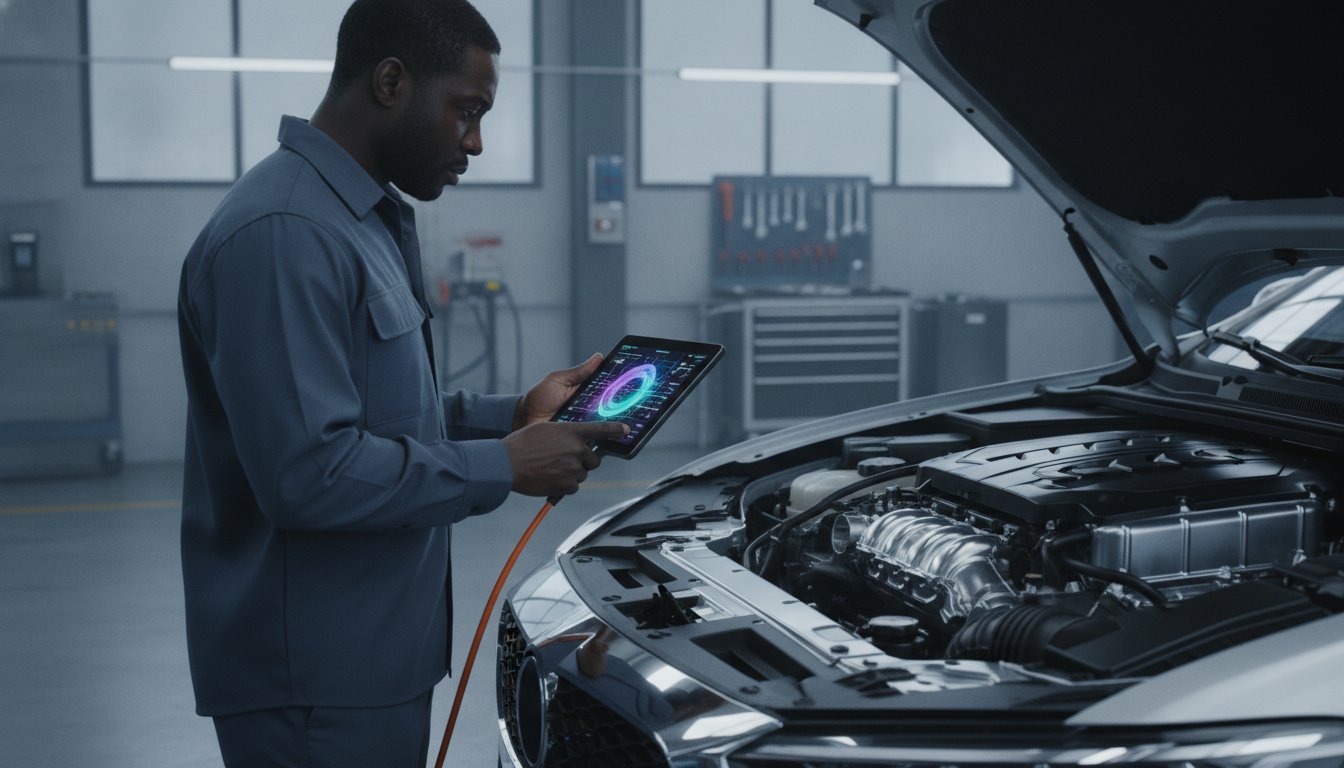
Last Tuesday, a local commuter was sitting at a red light on Bolton Road when their steering wheel began to vibrate violently. The engine stumbled, the RPM needle bounced, and they felt a wave of anxiety about stalling in the middle of heavy afternoon traffic. Getting a professional rough idle diagnosis in Atlanta is the only way to move past the guesswork and protect your vehicle’s longevity.
It’s stressful to feel your car struggle when it’s supposed to be resting. Whether your check engine light is glowing or staying silent, that shaking sensation is a clear signal that your engine’s air, fuel, or spark balance is off. This guide will help you understand why your vehicle shakes at stoplights and how expert diagnostic services can restore your engine’s quiet, smooth performance. We’ll explore common culprits behind engine stumbles, the risks of ignoring symptoms before your next emissions test, and how a thorough mechanical inspection provides the transparency you need to drive with confidence again.
Key Takeaways
- Identify a rough idle by watching for inconsistent RPMs outside the standard 600 to 800 range while your vehicle is stationary.
- Understand the critical balance of air, fuel, and spark required to keep your engine running smoothly at every stoplight.
- Learn how a professional rough idle diagnosis in Atlanta uncovers mechanical root causes that basic code readers often overlook.
- Avoid the “parts cannon” approach by getting an expert assessment before spending money on unnecessary components.
- Protect your engine’s longevity and prevent expensive failures by addressing minor vibrations before they lead to stalling.
What is a Rough Idle and Why Does it Affect Atlanta Drivers?
A rough idle occurs when your vehicle’s engine runs unevenly while stationary. In most modern cars, the engine’s idle speed should remain steady between 600 and 800 RPM. If you notice the tachometer needle bouncing or feel the car “hunting” for a steady rhythm, you’re experiencing a rough idle. For those commuting through the stop-and-go congestion of I-75 or I-285, these symptoms aren’t just annoying; they’re a source of high-stress driving. Sitting in an Atlanta traffic jam with a vibrating steering wheel makes every red light feel like a gamble. Seeking a professional rough idle diagnosis in Atlanta is the first step toward regaining your peace of mind on the road.
You can usually spot the signs of a struggling idle before the car actually stalls. Common symptoms include:
- A tachometer needle that bounces or dips sporadically below 600 RPM.
- A “hunting” sensation where the engine revs up and down without driver input.
- Unusual vibrations felt through the steering wheel, floorboards, or seat.
- A sputtering or coughing sound coming from the exhaust pipe while stopped.
The Atlanta Factor: Heat and Humidity
Our local climate plays a specific role in how engines age. Georgia’s high humidity often accelerates the corrosion of electrical connectors and sensitive sensors that manage engine timing. During our extreme summer months, the intense heat under the hood can cause rubber vacuum lines and gaskets to become brittle and crack. Additionally, the constant “city driving” typical of the Bolton Road area leads to faster carbon buildup on intake valves and throttle bodies. These environmental stressors mean Atlanta vehicles often require more frequent checkups to maintain a smooth idle compared to cars in milder climates.
Is a Rough Idle Dangerous?
While a slight vibration might seem minor, ignoring it can lead to hazardous situations. The primary risk is an unexpected stall while you’re navigating a busy intersection or merging into heavy traffic. Beyond immediate safety, the excessive vibration from a poor idle puts immense strain on your engine mounts. Over time, this can lead to costly structural damage or even failure of the mounting brackets. In some cases, a rough idle is a warning sign of a critical failure in the fuel system or a vacuum leak that could lead to engine overheating. A thorough rough idle diagnosis in Atlanta ensures that these small shakes don’t turn into major breakdowns.
The Three Pillars of a Smooth Idle: Air, Fuel, and Spark
Your engine relies on a precise balance of air, fuel, and spark to maintain a steady rhythm. Think of this as the internal combustion trifecta. When your car is at a stop, your Engine Control Unit (ECU) acts as a conductor. It monitors various sensors and adjusts these three pillars hundreds of times per second to keep the engine spinning smoothly. If any part of this balance shifts even slightly, your engine stumbles. A Professional Car Diagnostic Service in Atlanta is essential because modern engines are far too complex for simple guesswork. Expert technicians use advanced tools to see exactly what the ECU is seeing in real-time.
The Air System: MAF Sensors and Vacuum Leaks
The Mass Air Flow (MAF) sensor is the primary gatekeeper of the air system. It measures the density of air entering the intake so the ECU knows exactly how much fuel to inject. If this sensor becomes coated in dust or oil, those calculations fail immediately. Vacuum leaks are another frequent source of trouble. These happen when “unmetered air” enters the engine through a cracked hose or a leaking intake manifold gasket. This extra air disrupts the air-fuel ratio and creates a “lean” condition. Additionally, the Idle Air Control (IAC) valve manages the bypass air when your throttle is closed. If it’s stuck or dirty, your idle will likely surge or drop unexpectedly.
Fuel and Spark: The Power Components
Fuel must arrive at the cylinders at the correct pressure and in a perfectly atomized mist. Clogged fuel injectors often fail to deliver this mist, which leads to weak or inconsistent combustion. Low fuel pressure from a failing pump or a restricted filter can also cause the engine to hesitate when it’s under the low-load conditions of idling. The spark system is equally critical. Healthy spark plugs and ignition coils ensure a “clean” and timely fire. A fouled plug or a weak coil creates a misfire, which is often the root cause of that rhythmic shaking you feel in the cabin.
Ignoring these small stumbles can lead to bigger problems down the road. A poorly idling engine wastes fuel and increases engine wear by placing unnecessary stress on internal components. It’s a much better investment to schedule a rough idle diagnosis in Atlanta to identify the failing component before it leaves you stranded. If your vehicle feels like it’s struggling to stay awake at red lights, the team at TIPS Automotive can help you find a lasting solution.
Common Culprits Behind Engine Shaking at Stoplights
Many drivers assume a shaking car automatically means they need new spark plugs. While ignition is a factor, it’s just one piece of the puzzle. We must distinguish between an engine that is actually running poorly and one that simply feels like it is. Sometimes the engine is spinning perfectly, but a mechanical failure is letting that energy transfer into the cabin. Carbon buildup on the throttle body is another common local issue. It restricts airflow at low speeds, causing the engine to struggle. Interestingly, a car shaking when accelerating in Atlanta often shares these root causes, as both symptoms stem from a breakdown in the air-fuel-spark balance.
Sensor Failures: O2 and Throttle Position
Modern cars rely on a constant feedback loop to stay balanced. A “lazy” Oxygen (O2) sensor is a prime example of a hidden culprit. It might not be broken enough to trigger a check engine light, but it sends slow or slightly inaccurate data to the computer. This makes the fuel mix fluctuate, leading to a noticeable stumble. Similarly, a faulty Throttle Position Sensor (TPS) can fail to tell the computer that the car is actually at a stop. When the computer is confused about the throttle’s physical position, it can’t stabilize the RPMs. A professional rough idle diagnosis in Atlanta uses live data streaming to catch these “lazy” components before they fail completely.
Mechanical Issues: Mounts and Valves
Sometimes the shaking isn’t about how the engine runs, but how it’s held in place. Worn engine mounts are a classic “vibration” issue. The rubber in these mounts is designed to absorb the engine’s natural movement. When they collapse or tear, you’ll feel every internal combustion stroke through your steering wheel and seat. On the performance side, the Exhaust Gas Recirculation (EGR) valve is a frequent offender. If it gets stuck open, it allows exhaust gases back into the intake at the wrong time, which effectively “chokes” the engine at a stoplight. Problems with the Positive Crankcase Ventilation (PCV) system can also create erratic crankcase pressure. This disruption makes it impossible for the engine to maintain the steady rhythm required for a smooth idle.

Our Professional Rough Idle Diagnostic Process in Atlanta
Many drivers believe that a vehicle diagnostic is as simple as plugging in a scanner and reading a code. While that’s a common starting point, a true rough idle diagnosis in Atlanta requires a much deeper dive into the engine’s ecosystem. At TIPS Automotive, we’ve been a reliable pillar of the Bolton Road community since 2001. We understand that a shaking engine is often a symptom of a subtle mechanical failure that hasn’t yet triggered a check engine light. Our technicians take a methodical approach to solve these mysteries, ensuring we fix the root cause rather than just treating the symptoms.
We pride ourselves on looking “Beyond the Code.” A scanner might tell us there’s a misfire, but it won’t tell us if that misfire is caused by a tiny vacuum leak, a carbon-coated valve, or a failing fuel injector. By combining advanced diagnostic equipment with decades of hands-on experience, we provide the clarity you need to make informed decisions about your vehicle’s health.
Step 1: Digital Scan and Data Stream Analysis
Our process begins with a comprehensive digital scan. We don’t just look for active trouble codes; we examine “freeze frame” data. This information shows us exactly what the engine was doing the moment a fault occurred, such as the engine temperature, RPM, and fuel load. We also monitor live sensor data while the car idles in our bay. By watching fuel trims and O2 sensor voltages in real-time, we can identify intermittent faults. These are the small glitches that cause your car to stumble at a red light but often disappear by the time you reach the repair shop.
Step 2: Physical Inspection and Smoke Testing
Once the digital data points us in a specific direction, we move to a physical inspection. We perform a visual check of spark plugs, ignition wires, and rubber vacuum lines that may have become brittle in the Georgia heat. To find elusive vacuum leaks that are invisible to the naked eye, we use a professional smoke machine. By filling the intake system with pressurized smoke, we can pinpoint exactly where “unmetered air” is entering the system. We also perform direct tests on fuel pressure and ignition coil strength to ensure every component is firing with the necessary intensity. This thoroughness prevents the “trial and error” approach that leads to unnecessary part replacements.
If your vehicle is struggling to maintain a steady rhythm, don’t let the problem escalate into a costly breakdown. Schedule your Diagnostic Services with the experts at TIPS Automotive today for an honest and accurate assessment.
Why Professional Diagnosis Beats “Trial and Error” Part Swapping
Many vehicle owners fall into the trap of the “Parts Cannon” fallacy. This happens when you start replacing components like spark plugs or ignition coils in hopes that one of them will stop the shaking. While it might seem like a way to save money, guessing often costs more in the long run. You might spend hundreds of dollars on parts your car didn’t actually need, only to find the steering wheel still vibrates at every red light. A professional rough idle diagnosis in Atlanta eliminates this expensive trial and error by identifying the exact failure point the first time.
Incorrect DIY fixes or delayed repairs can also lead to severe secondary damage. If a rough idle is caused by a persistent misfire, unburned fuel can enter the exhaust system. This fuel eventually reaches the catalytic converter, where it can overheat and melt the internal honeycomb structure. What could have been a simple sensor cleaning or vacuum hose replacement suddenly turns into a multi-thousand-dollar exhaust repair. Choosing professional Diagnostic Services ensures that your vehicle’s complex systems remain in harmony and protects your long-term investment.
The Real Cost of Misdiagnosis
Ignoring a stumble doesn’t just affect your comfort; it hits your wallet at the gas pump. An engine that isn’t idling correctly is inherently inefficient, leading to poor fuel economy during your daily commute. If the engine runs too “lean” or too “rich” for extended periods, you risk permanent damage to the pistons and valves. Getting it fixed right the first time at our NW Atlanta shop saves you both hours of frustration and the long-term costs of accelerated engine wear. In cases where internal damage is too extensive for simple repairs, sourcing a quality replacement from Engine Tech Hub can help you get back on the road without the cost of a brand-new vehicle. We stand behind our work, providing a level of accountability that a DIY “guess” simply cannot offer.
At TIPS Automotive, we’ve served the Bolton Road community since 2001 with a commitment to honesty and thoroughness. We provide professional engine repair and maintenance that you can depend on. Our facility is open Monday through Friday to help you get back to a smooth, quiet ride. Don’t let a minor shake turn into a major breakdown in heavy traffic. You can Book your diagnostic appointment at TIPS Automotive today and experience the peace of mind that comes from expert care.
Restore Your Engine’s Smooth Performance
A vibrating steering wheel or a stumbling engine at a red light is your car’s way of asking for help. We’ve discussed how the delicate balance of air, fuel, and spark keeps your vehicle steady and why guessing with random part replacements often leads to wasted money. By choosing a professional rough idle diagnosis Atlanta, you protect your engine from secondary damage and ensure your commute remains stress-free.
Since 2001, TIPS Automotive has served as a trusted partner for the Bolton Road and NW Atlanta community. As comprehensive engine and transmission specialists, we prioritize accuracy and transparency in every job we handle. Don’t let a minor shake turn into a major breakdown during your next trip on I-75 or I-285. Schedule Your Rough Idle Diagnosis at TIPS Automotive today. We’re here to help you get back to a quiet, dependable ride.
Frequently Asked Questions
What are the most common causes of a rough idle in Atlanta?
Common causes include vacuum leaks, dirty fuel injectors, and fouled spark plugs. In our local environment, high humidity often leads to corroded electrical connectors, while stop-and-go traffic on I-285 accelerates carbon buildup in the throttle body. These issues disrupt the air-fuel ratio, causing the engine to stumble. A professional rough idle diagnosis in Atlanta identifies which of these specific pillars has failed to ensure a smooth, reliable ride.
Can I still drive my car if it has a rough idle?
You can technically drive with a rough idle, but it isn’t recommended for long periods. A shaking engine often signals an underlying problem that can lead to unexpected stalling in heavy traffic. Ignoring the issue often results in secondary damage to expensive components like the catalytic converter or engine mounts. For drivers who prefer the convenience of on-site help or are concerned about driving a stalling vehicle, Wrench Army Auto Repair & Mobile Services provides professional diagnostics and repairs right where you are. It’s safer to have the vehicle inspected early to avoid a total breakdown or a safety hazard at busy intersections.
Many rough idle issues occur because a sensor is “lazy” or providing slightly inaccurate data rather than failing completely. The computer might not trigger a light if the readings stay within a broad set of parameters. Small vacuum leaks or early carbon buildup often create noticeable vibrations without throwing a fault code. Our technicians use live data streaming to catch these subtle glitches that standard code readers frequently miss during a basic scan.
How much does a rough idle diagnosis cost at an Atlanta shop?
Diagnostic fees vary depending on the complexity of the vehicle’s systems and the equipment required for testing. Most local shops charge a flat fee for the initial inspection and labor time spent testing components. While some parts stores offer free code scans, those don’t provide a complete picture of mechanical health. Investing in a professional diagnostic service ensures you don’t waste money on unnecessary parts that won’t actually solve the shaking.
Will a dirty air filter cause my engine to shake at stoplights?
A severely clogged air filter can definitely cause an engine to shake by restricting the necessary airflow for combustion. When the engine can’t “breathe” properly, the air-fuel mixture becomes too rich, leading to a sputtering or uneven idle. While it’s a simple fix, a dirty filter is often just one contributing factor. If replacing the filter doesn’t restore smoothness, a deeper rough idle diagnosis in Atlanta is usually necessary to find other hidden leaks.
Why does my car idle rough only when the air conditioning is on?
Turning on the air conditioning places a significant mechanical load on the engine. If the idle air control system or the compressor itself is struggling, the engine’s RPMs might dip too low to compensate for the extra drag. This specific symptom often points to a failing Idle Air Control (IAC) valve or a weak battery. It’s a clear sign that the engine’s management system can’t handle the additional stress of Atlanta’s summer heat.
Can bad gasoline cause a rough idle after a fill-up in Atlanta?
Contaminated or low-quality fuel can lead to immediate engine stumbles and poor performance. Water in the fuel or an incorrect octane level prevents the clean, timed explosion required for a steady idle. If your car began shaking immediately after visiting a local gas station, the fuel system likely needs a professional flush. Using a high-quality fuel treatment can sometimes help, but persistent shaking usually requires a thorough mechanical inspection to prevent injector damage.
How long does a professional rough idle diagnosis take?
Most professional diagnostic sessions take between one and two hours to complete. This timeframe allows technicians to perform a digital scan, monitor live data streams, and conduct physical tests like smoke testing for vacuum leaks. Some complex electrical issues might require more time if intermittent faults are difficult to replicate. We focus on being thorough rather than rushing, ensuring we provide a clear and accurate solution for your vehicle’s specific needs.


Check Engine Light Diagnosis In Atlanta: What Our Expert Technicians Look For
August 29, 2026[…] A code for a “lean” condition doesn’t automatically mean you need a new oxygen sensor. It’s often a symptom of a cracked vacuum hose, a clogged fuel injector, or a failing gasket. When we see a “Circuit High” or “Circuit Low” code, we know the computer isn’t seeing the correct voltage. This could be a broken wire, a corroded ground, or a blown fuse rather than a dead sensor. Professional tools allow us to view “Freeze Frame Data,” which captures the engine’s exact conditions, such as RPM and temperature, at the moment the fault occurred. This data is vital for replicating intermittent issues that only happen under specific driving conditions, including engine stumbles and rough idle symptoms that require professional diagnosis in Atlanta. […]