
Subtotal $0.00


Table of Contents
- Why Car Repairs Cost So Much: The Big Picture
- Rising Parts Prices, Tariffs, and Supply Chain Disruption
- Labor Rates, Technician Shortages, and Shop Overhead
- Vehicle Technology Complexity and Diagnostic Time
- How to Save Money on Auto Repairs Without Cutting Corners
- When to Stop Repairing an Old Car: A Practical Cost-Benefit Analysis
- What Honest, Transparent Auto Repair Actually Looks Like
- Conclusion
Last Updated: August 29, 2026
Why Car Repairs Cost So Much: The Big Picture
Car repairs cost more today than at any point in modern automotive history. At TIPS Automotive, we hear the frustration from customers who feel blindsided at the service counter. This guide breaks down exactly why those numbers are what they are, and what you can do about it.
Everything that goes into fixing a vehicle costs more now: parts prices have climbed, skilled technicians are harder to find and more expensive to retain, modern vehicles carry far more electronics than older models, and global supply chain disruptions have made sourcing components unpredictable. Understanding the real drivers of car repair costs puts you in a stronger position as a consumer, you’ll know when an estimate is fair, when to push back, and when to walk away.
Car repair costs are shaped by at least seven distinct forces:
| Cost Driver | Primary Impact | Consumer Takeaway |
|---|---|---|
| Rising parts prices | Higher repair estimates | Compare OEM vs. aftermarket options |
| Tariffs and supply chain | Parts availability and price volatility | Expect longer wait times on some repairs |
| Labor rates and technician shortage | Higher hourly shop rates | Choose certified shops; ask about flat-rate billing |
| Vehicle technology complexity | More diagnostic time billed | Understand that diagnostic fees are legitimate |
| Shop overhead | Built into every invoice | Transparency matters more than a low estimate |
| Vehicle age and neglect | Cascading repair costs | Preventative maintenance pays for itself |
| Diagnostic vs. physical repair time | Billable hours before a wrench turns | Ask for a diagnostic breakdown upfront |
Rising Parts Prices, Tariffs, and Supply Chain Disruption
Parts prices have been climbing steadily for several years due to inflationary pressure on raw materials and manufacturing costs, plus the impact of import tariffs on overseas components. According to Bureau of Labor Statistics Producer Price Index for motor vehicle parts, parts prices in the automotive sector have outpaced general inflation for multiple consecutive years. When steel, aluminum, and semiconductor costs rise, those increases flow directly into the price of every component your vehicle might need.
Tariffs on imported goods have added another layer of cost volatility. Many replacement parts, including electronic control units and sensors, are manufactured overseas. When import tariffs increase, the landed cost rises immediately and shops pass that cost to customers. Supply chain disruption compounds the problem, parts availability that was once reliable became erratic, and some components now carry longer lead times or require sourcing from alternative suppliers at a premium.
OEM vs. Aftermarket Parts Cost: What You’re Actually Paying For
OEM components are manufactured by or for the original vehicle manufacturer and built to exact specifications. Aftermarket parts are produced by third-party manufacturers and vary widely in quality, fit, and durability.
OEM parts typically carry a higher price tag because they come with manufacturer-backed quality assurance and are designed specifically for your vehicle’s systems. Aftermarket options can be legitimate cost-saving choices when sourced from reputable suppliers and installed by a certified technician who can verify fitment. The real risk with low-grade aftermarket parts is premature failure or sensor calibration issues that trigger a check engine light weeks later.
Pro Tip
Ask your service advisor to specify whether a quoted part is OEM or aftermarket, and request the manufacturer name for aftermarket components. A reputable shop will answer without hesitation.
Ask your service advisor to specify whether a quoted part is OEM or aftermarket, and request the manufacturer name for aftermarket components. A reputable shop will answer without hesitation.
Labor Rates, Technician Shortages, and Shop Overhead
The technician shortage in the automotive industry is real and one of the most significant reasons why car repairs cost so much. Skilled diagnostic technicians are in short supply nationally. According to TechForce Foundation workforce data on automotive technician demand, the automotive service industry faces a persistent shortfall of qualified technicians, with demand significantly outpacing the number of graduates entering the field each year. That supply-demand imbalance pushes wages up, and higher technician wages translate directly into higher labor rates on your invoice.
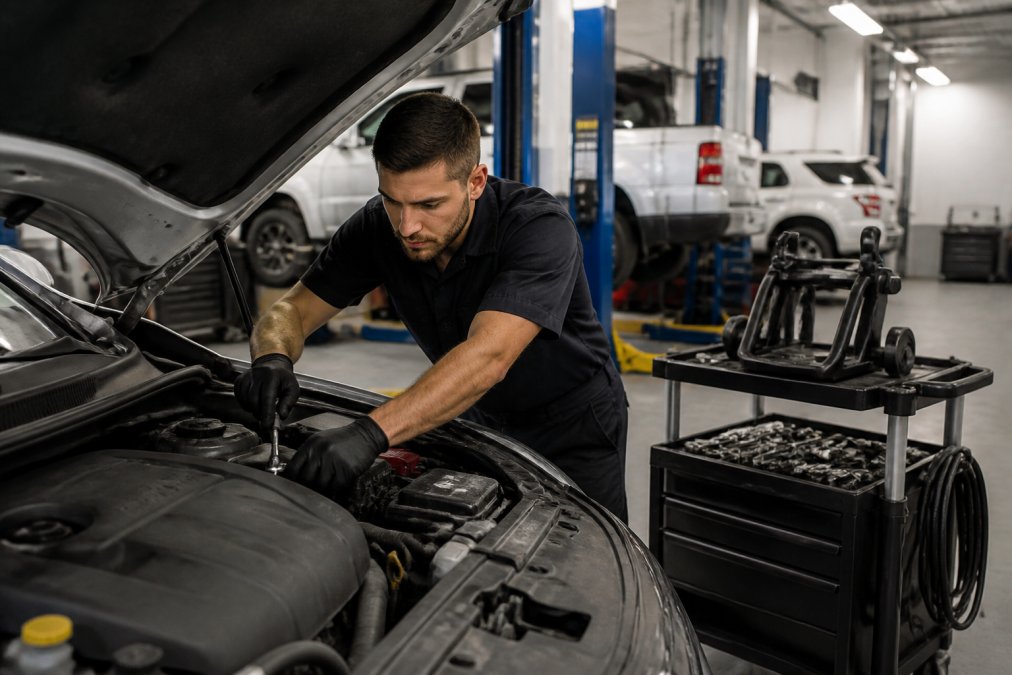
A certified technician who can accurately diagnose a complex electrical fault in two hours is worth more per hour than a less experienced tech who takes six hours and still misses the root cause. Flat-rate billing, the standard model in most repair facilities, bills by the job rather than the clock, but the underlying rate is set by what it costs to attract and retain qualified people.
Shop overhead is the other piece most customers don’t see: specialized diagnostic equipment, software update subscriptions, tool calibration, insurance, facility costs, and administrative infrastructure. Those costs are distributed across every service invoice. A shop with low labor rates often has lower overhead for a reason, less-qualified staff, older equipment, or fewer certifications. Hourly labor rates at a well-equipped shop with certified technicians reflect what it actually costs to do the job right.
Watch Out
Unusually low labor rate estimates can signal a shop that cuts corners on technician training, equipment maintenance, or parts quality. A repair done wrong costs you twice: once when you pay for it, and again when you bring the vehicle back.
Unusually low labor rate estimates can signal a shop that cuts corners on technician training, equipment maintenance, or parts quality. A repair done wrong costs you twice: once when you pay for it, and again when you bring the vehicle back.
Vehicle Technology Complexity and Diagnostic Time
Modern vehicles are networked computing platforms with mechanical components attached. The average new vehicle contains dozens of electronic control units managing everything from fuel delivery and transmission behavior to collision avoidance and climate control.
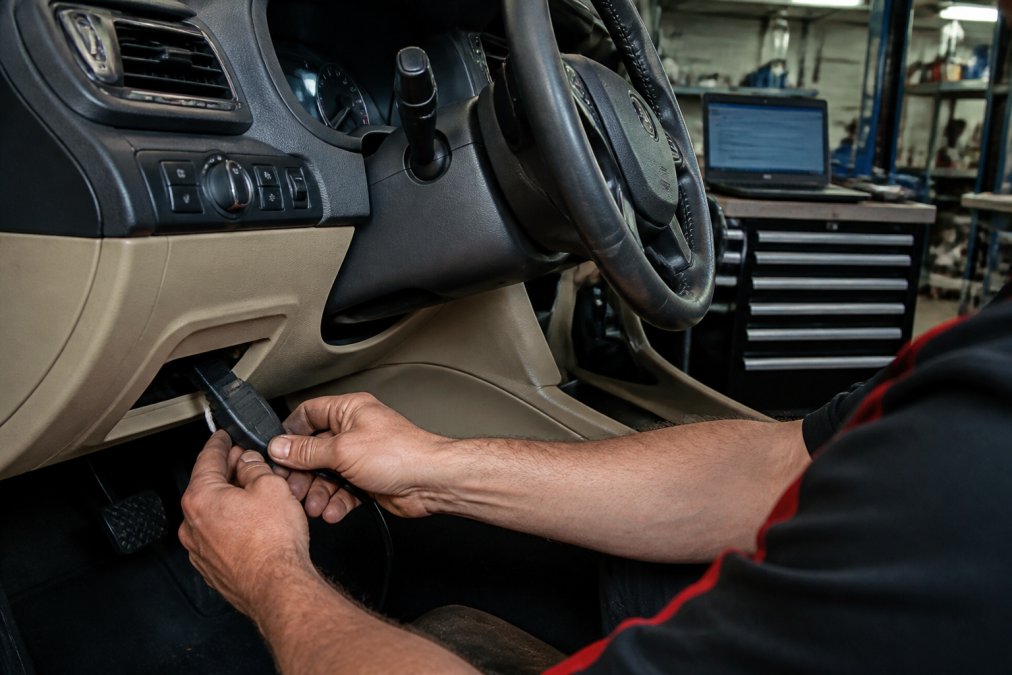
This complexity changes the nature of auto repair fundamentally. A check engine light may now require a technician to interrogate multiple networked systems, interpret fault codes across several electronic control units, and perform sensor calibration after the physical repair is complete. That diagnostic time is billable because it requires specialized diagnostic equipment and trained expertise.
Diagnostic fees are one of the most common points of friction between customers and shops. Many drivers expect diagnosis to be free or bundled into the repair cost. The reality is that accurate diagnosis is often the most technically demanding part of the job. A technician who correctly identifies the root cause of an intermittent electrical fault before touching a single component has saved you from paying for parts and labor on the wrong repair. Software updates add another layer, many modern vehicle repairs require a software update to an electronic module after a physical component is replaced, which requires a licensed subscription to the manufacturer’s diagnostic platform.
How to Save Money on Auto Repairs Without Cutting Corners
Saving money on auto repairs is genuinely possible, but the strategies that actually work are different from what most people try. Chasing the lowest estimate is usually the most expensive approach in the long run.
Preventative maintenance is the single most effective cost-reduction strategy. Staying current with service intervals, addressing small issues before they cascade, and following your vehicle’s factory schedule keeps expensive repairs from materializing in the first place. A neglected vehicle doesn’t just cost more to repair; it costs more every time it needs a repair because deferred maintenance creates compounding problems.
Practical ways to reduce what you spend on car repairs:
- Stay on schedule with oil changes, fluid checks, and filter replacements
- Address warning lights immediately rather than waiting to see if they clear
- Ask your shop to perform a multi-point inspection during routine visits so small issues are caught early
- Understand your warranty coverage before authorizing any repair
- Ask whether aftermarket parts are appropriate for your specific repair and request reputable brands
- Get a written repair estimate before authorizing work with an itemized breakdown of parts and labor
Right to Repair, Insurance, and Warranty: What Most Drivers Miss
The Right to Repair movement is reshaping who can legally access the diagnostic data and software tools needed to service modern vehicles. As documented in FTC report on auto repair competition and Right to Repair, independent repair shops have historically faced barriers to accessing manufacturer diagnostic tools and technical service information. As Right to Repair legislation expands, independent shops gain better access to OEM-level diagnostic tools, which levels the playing field and can reduce costs for consumers.
Warranty coverage is another area where drivers routinely leave money on the table. Many repairs on vehicles under manufacturer warranty or extended warranty coverage are covered in full or in part. The Magnuson-Moss Warranty Act protects your right to have warranty-covered work performed at an independent shop without voiding your vehicle warranty, provided the shop uses appropriate parts and follows manufacturer service specifications.
Key Takeaway
Before you authorize any repair, ask three questions: Is this covered under my vehicle warranty? Does my insurance apply? Is there an aftermarket parts option that meets the same specification?
Before you authorize any repair, ask three questions: Is this covered under my vehicle warranty? Does my insurance apply? Is there an aftermarket parts option that meets the same specification?
When to Stop Repairing an Old Car: A Practical Cost-Benefit Analysis
The most common question drivers with aging vehicles face is whether to keep repairing or cut their losses. This is a genuine cost-benefit analysis, and the answer depends on factors specific to your vehicle, your finances, and your situation.
If the cost of a repair exceeds the vehicle’s market value, or if you’re spending more on repairs annually than a comparable replacement vehicle would cost you in payments and insurance, the math usually favors replacement. But the math is only part of the picture. A paid-off vehicle that needs a significant repair is often still cheaper to fix than taking on a monthly payment for a replacement.
Work through this framework before making the call:
- Get a current market value estimate for your vehicle in its present condition
- Get a complete repair estimate including all deferred maintenance items
- Estimate annual repair costs based on your vehicle’s history and age
- Compare against the true cost of replacement, including purchase price, financing costs, insurance changes, and registration fees
- Factor in reliability: a vehicle with a known repair history is more predictable than an unknown replacement
Vehicle age and maintenance history are the two most predictive variables. A well-maintained older vehicle with one significant repair needed is often a better financial decision than a newer vehicle with an unclear service history.
What Honest, Transparent Auto Repair Actually Looks Like
Most frustration drivers feel about car repair costs comes not from the cost itself, but from not knowing what they’re paying for or why. Transparent auto repair requires a shop that communicates clearly and treats customers as adults.
Honest repair communication looks like this: a written estimate before any work begins, an itemized breakdown of parts and labor, a clear explanation of why each recommended repair is necessary, and a straight answer when you ask whether something can wait. A shop that pressures you to authorize every item on a list without explanation is not serving your interests.
The TIPS Automotive team operates on exactly this model. Certified technicians explain findings in plain language, prioritize what genuinely needs attention now versus what can be monitored, and give you the information you need to make a confident decision. That’s how a shop builds a long-term relationship with its community rather than maximizing a single invoice.
A useful checklist for evaluating any repair shop:
- Do they provide a written estimate before starting work?
- Can they explain each recommended repair in plain language?
- Are their technicians certified and trained on your vehicle type?
- Do they use quality parts and disclose whether they’re OEM or aftermarket?
- Do they have a clear policy on diagnostic fees?
- Will they show you the worn or failed part that was replaced?
- Do they stand behind their work with a warranty on parts and labor?
For drivers who want a deeper understanding of what fair repair pricing looks like, resources like AAA’s annual auto repair cost research provide useful benchmarks for common service categories.
Frequently Asked Questions
What is the $3,000 rule for car repairs?
The $3,000 rule is a rough consumer guideline: if a single repair estimate exceeds $3,000 on a vehicle worth less than that amount, replacement often makes more financial sense than repair. It’s a starting point for a cost-benefit analysis, not a hard rule. You still need to factor in the vehicle’s overall condition, remaining useful life, and what a replacement vehicle would actually cost you monthly before making a decision.
Is a $2,000 car repair worth it for an older vehicle?
It depends on the vehicle’s current market value, its overall mechanical condition, and what the repair fixes. A $2,000 repair on a vehicle worth $8,000 in solid shape is usually worth it. The same repair on a vehicle worth $2,500 with other known problems is harder to justify. Ask your repair facility for an honest assessment of the rest of the vehicle before committing. A trustworthy shop will tell you what else needs attention, not just quote the immediate job.
Are OEM parts more expensive than aftermarket alternatives?
OEM components are typically priced higher than aftermarket parts because they are manufactured to the exact specifications of the original vehicle. Aftermarket parts vary widely in quality and price. Some aftermarket options match OEM performance closely; others fall short. For critical systems like brakes, suspension, and electronic control units, the quality difference often justifies the OEM cost. For simpler wear items, quality aftermarket parts can be a reasonable, budget-friendly choice. Always ask your technician which option they recommend and why.
Why have auto repair labor rates increased so much recently?
Several factors have pushed labor rates higher. Technician certification now requires ongoing training to handle advanced vehicle systems, electronic control units, and sensor calibration. A genuine technician shortage means experienced mechanics command higher wages. Shop overhead, including specialized diagnostic equipment, software subscriptions, and facility costs, has risen with inflation. Flat-rate billing structures also mean diagnostic time, which can be extensive on modern vehicles, is priced separately from physical repair time, adding to the total on your repair estimate.
Understanding why car repairs cost so much is the first step toward making smarter decisions about your vehicle. The second step is finding a shop that gives you straight answers and quality work at a fair price. TIPS Automotive offers certified technicians, same-day service on many repairs, and free pickup and drop-off within a 10-mile radius. Call now and schedule your service.

Comments are closed