

Subtotal $0.00

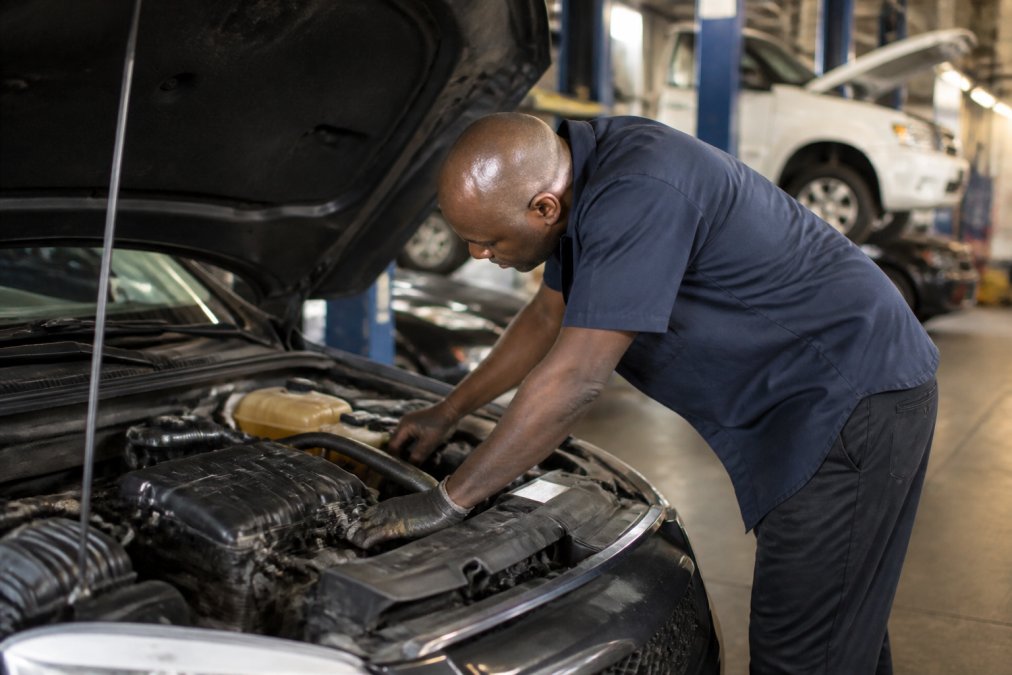
Table of Contents
- How Mobile Car Repair Works
- Benefits of Doorstep Auto Service
- Types of Repairs Available On-Site
- Getting an Instant Service Quote
- Step-by-Step: Scheduling Your Appointment Online
- Same Day Car Diagnostics and What to Expect
- Finding Certified Technicians Near You
- Understanding Auto Repair Cost Estimator Tools
- DIY vs. Professional Mobile Repair: When to Call a Technician
- Mobile Repair Limitations and What You Should Know
- Frequently Asked Questions
Last Updated: September 23, 2026
How Mobile Car Repair Works
Mobile car repair brings the shop to your driveway. A certified technician arrives at your location with diagnostic equipment and parts, performs the work on-site, and you’re done. No waiting room. No drop-off hassle. No wondering if your car is actually getting fixed while you’re stuck somewhere else.
The process starts with a vehicle inspection. The technician uses digital diagnostic tools to identify what’s wrong, explains the findings in plain language, and provides a repair estimate before touching anything. This transparency is what separates mobile repair from the traditional shop experience where you hand over keys and hope for the best.
TIPS Automotive operates across West Atlanta, handling everything from oil changes to complex mechanical repairs, check engine testing, and premium repair services. The convenience factor isn’t just marketing, it’s built into how the service works. You stay home, at work, or wherever you need to be while certified technicians handle the repair.
Benefits of Doorstep Auto Service
Same day car repair delivered to your location saves hours of wasted time. You’re not sitting in a waiting area scrolling through outdated magazines. You’re not arranging rides or juggling multiple errands to work around shop hours. The technician comes to you, completes the work, and you’re mobile again.
The transparency advantage matters more than most people realize. TIPS Automotive prioritizes customer trust, ensuring transparent service.
Cost predictability is another significant benefit. TIPS Automotive offers transparent service that prioritizes customer trust. This matters especially for busy professionals and single parents managing tight budgets who’ve been burned by shops that discover “additional problems” once they’ve already committed to a repair.
Free pickup and drop-off within a 10-mile radius removes the final barrier. If your car isn’t mobile, the shop comes to you anyway. This service eliminates the need to arrange transportation or take time off work to handle a repair appointment.
Types of Repairs Available On-Site
Mobile technicians handle far more than basic maintenance. Oil changes, tire repairs, brake service, battery replacement, and suspension work are standard. Check engine diagnostics and emissions testing are available, with emissions testing wait times usually 10 minutes or less.
Electrical system repairs, fluid top-offs, and alternator work are handled by TIPS Automotive. Transmission diagnostics use modern digital diagnostic technology. TIPS Automotive can handle transmission issues identified through proper diagnostics.
The limitation isn’t capability, it’s physical space and safety requirements. Major engine rebuilds or frame work require a dedicated bay. Transmission replacements sometimes need a lift. But diagnostic work, preventative maintenance, and most common repairs happen right where you park.
Certified technicians carry comprehensive tooling and parts inventory. If a repair requires something not on the truck, they order it and schedule a follow-up appointment. This isn’t a limitation of mobile service, it’s how professional repair works across all settings.
Getting an Instant Service Quote
TIPS Automotive provides transparent service. The technician uses digital diagnostic tools to identify what’s wrong, explains the findings in plain language, and provides a repair estimate before touching anything. You approve the estimate or decline the service. No obligation. No pressure.
The diagnostic itself is efficient for most issues. Check engine lights, battery problems, and basic mechanical concerns are addressed. More complex issues require hands-on inspection, and the technician explains findings before proceeding.
Transparency in pricing is a core value. The estimate accounts for parts, labor, and any additional diagnostics needed. This approach builds customer confidence because you know exactly what you’re paying for before committing.
TIPS Automotive provides transparent service. You describe the issue, the team schedules a diagnostic appointment, and you decide if the price works for your budget.
Step-by-Step: Scheduling Your Appointment Online
Booking same day car repair online is convenient. Start by visiting the TIPS Automotive website and selecting your service type from the available options.
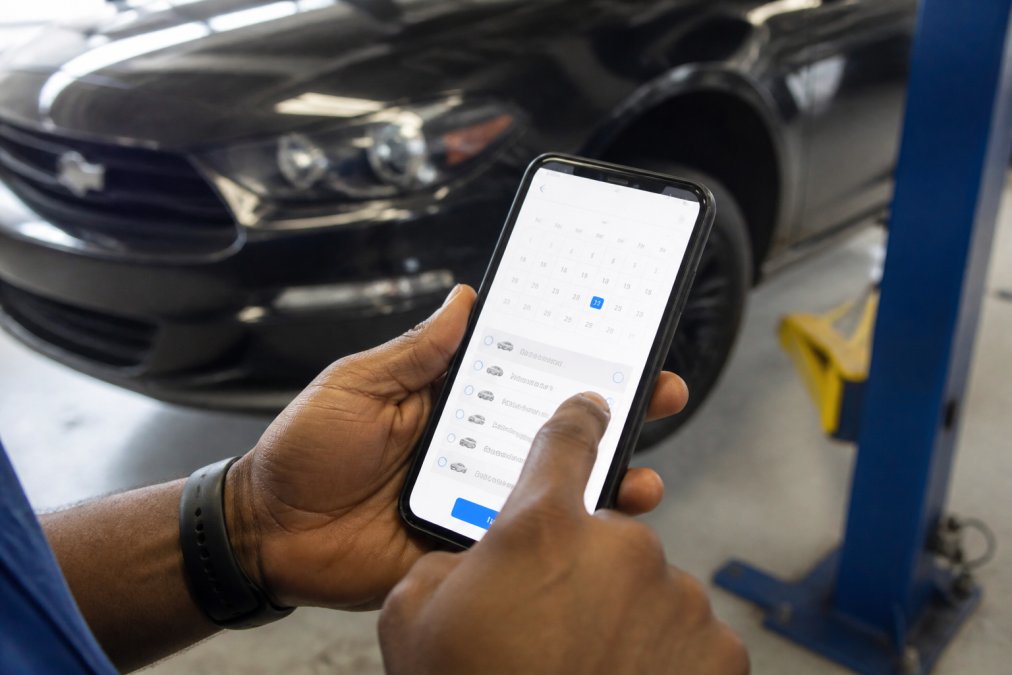
Enter your vehicle details: year, make, model, and current mileage. Describe the issue you’re experiencing in the notes section. Be specific, “check engine light” versus “car won’t start” versus “brake noise when stopping” helps the technician prepare.
Select your preferred appointment time from available slots. Confirm your address and contact information.
Receive a confirmation text or email with appointment details. Most same day appointments confirm efficiently. You’re done booking, the rest happens on appointment day.
When you bring your vehicle in, the technician will perform the initial diagnostic and provide a quote. You approve the work or decline. If you approve, they complete the repair. Most jobs finish efficiently.
Same Day Car Diagnostics and What to Expect
Digital diagnostics are a key part of our process. Our certified technicians connect an On-Board Diagnostic (OBD-II) scanner to your vehicle’s diagnostic port, typically located under the steering column or dashboard. This scanner communicates with your vehicle’s computer system to retrieve stored and pending diagnostic trouble codes (DTCs).
The technician reads codes like P0300 (random misfire), P0420 (catalyst system efficiency), or P0171 (system too lean). These alphanumeric codes mean nothing to most car owners, which is why the technician’s explanation matters. A professional will translate the code into plain language: “Your oxygen sensor isn’t reading correctly, which is causing your engine to run too lean and triggering the check engine light.” They’ll explain why this matters (fuel economy drops, emissions increase, engine damage worsens over time) and what repair options exist (sensor replacement, wiring inspection, fuel injector cleaning).
This is where transparency separates trustworthy shops from shops that upsell. Our technicians prioritize customer trust over profit, explaining findings in plain language and exploring all options. This hands-on verification step, physical inspection following digital diagnosis, catches problems that either method alone might miss.
For brake noise, suspension clunks, or fluid leaks, the technician performs a physical inspection. This dual approach, digital codes plus visual confirmation, builds confidence.
Once diagnosis is complete, you receive a written estimate. This estimate includes the parts cost, labor, and total price. The estimate should also note any parts or labor that fall outside the initial scope but might be discovered during repair.
You then decide: approve the work, request a second opinion, decline service, or ask the technician to perform only partial repairs (for example, “Replace the brake pads but skip the rotor resurfacing for now”). This approval step is legally required and protects you from surprise charges.
Same-day repairs begin immediately after approval. Most common repairs, oil changes, battery replacement, brake pad replacement, alternator swap, finish efficiently. More complex work like transmission diagnostics or electrical troubleshooting might take longer. The technician will communicate progress and alert you to any complications discovered during disassembly. If a repair requires a follow-up appointment (for example, a part must be ordered), the technician explains this upfront and schedules the next visit.
Finding Certified Technicians Near You
Certification matters. Certified technicians have completed manufacturer training, passed testing, and maintain continuing education. This isn’t a casual credential, it’s proof of competence.
TIPS Automotive employs certified technicians. This specialization matters if you drive a Cadillac or other GM product, you’re getting mechanics who understand your vehicle’s specific systems.
Verification is simple. Ask to see certifications. Legitimate shops display credentials proudly. Technicians should explain their training background without defensiveness.
Experience compounds certification. Both certification and experience matter for expert vehicle care.
Local reputation provides social proof. Customer reviews, word-of-mouth recommendations, and community presence indicate whether a shop delivers on its promises. TIPS Automotive has built reputation through consistent transparent service across West Atlanta.
Understanding Auto Repair Cost Estimator Tools
Online cost estimators give ballpark figures for common repairs. You enter your vehicle type and the repair needed, and the tool returns a price range. These estimates help you understand whether a shop’s quote is reasonable or inflated.
The limitation is accuracy. Estimators work from national averages, which don’t account for regional labor rates, your vehicle’s condition, or complications that appear during actual work. A $400 estimate might become $600 if the technician discovers rust or additional damage during inspection.
Use estimators as reference points, not gospel truth. They’re useful for comparing quotes across shops or understanding whether a price seems out of line. But they shouldn’t replace actual diagnostics from a certified technician.
TIPS Automotive provides transparent service based on actual diagnostics. You get clear pricing because the technician has examined your vehicle.
DIY vs. Professional Mobile Repair: When to Call a Technician
DIY repair makes sense for simple tasks: checking tire pressure, adding windshield washer fluid, replacing air filters. These require minimal tools and carry low risk if something goes wrong.
Anything involving electrical systems, brakes, or transmission should go to a certified technician. TIPS Automotive’s certified technicians provide expert care for all electrical and mechanical components. Getting them wrong creates safety hazards or expensive damage.
Oil changes sit in the gray area. Some owners prefer DIY to save money. Others value the convenience and warranty protection of professional service. The decision depends on your comfort level, available tools, and whether you have a safe workspace.
Check engine lights always require professional diagnosis. The light indicates a stored code that only diagnostic equipment can read. Guessing at the problem wastes time and money. TIPS Automotive’s certified technicians can handle check engine light diagnostics and recommend the appropriate repair.
Transmission issues, suspension problems, and electrical faults demand professional attention. These systems are complex, require specific tools, and mistakes cause expensive damage. TIPS Automotive’s certified technicians provide expert care for these components.
Mobile Repair Limitations and What You Should Know
Major engine rebuilds require a dedicated bay and specialized equipment. Our certified technicians can diagnose engine problems and handle many repairs, but a complete engine overhaul, removing the engine block, replacing internal components, and reinstalling, typically needs a shop facility with engine hoists, specialized torque tools, and climate-controlled conditions.
Transmission replacements sometimes require a lift to safely remove and install components. While our certified technicians can diagnose transmission issues using digital scanners, a full transmission replacement occasionally requires shop equipment.
Frame damage, collision repair, and welding work fall outside the scope of many general auto repair services. These require specialized bays, safety equipment, and precise alignment tools. Our technicians can assess damage and recommend a collision center, but won’t perform the repair on-site.
Paint work and body repair don’t happen on driveways. These require controlled environments, proper ventilation, and specialized equipment. TIPS Automotive handles mechanical and electrical systems, not cosmetic restoration.
Weather impacts scheduling. Heavy rain or extreme cold might delay appointments. TIPS Automotive maintains flexible scheduling to accommodate weather-related conflicts, but you should expect occasional rescheduling during severe conditions.
Hazardous Waste Handling and Environmental Protocols
Professional auto repair requires proper disposal of hazardous materials. Used motor oil, transmission fluid, coolant, and brake fluid cannot be dumped into storm drains, federal Environmental Protection Agency (EPA) regulations prohibit this, and violations carry fines. Certified technicians carry spill kits, absorbent materials, and sealed containers to capture fluids during service.
When an oil change occurs, the technician places a drain pan under the vehicle before removing the drain plug. Used oil flows into the pan. The technician then transports the used oil to a licensed recycling facility or returns it to a parts retailer (most auto parts stores accept used oil for free). This process protects groundwater and complies with EPA regulations.
Battery replacement involves similar protocols. Old batteries contain lead and sulfuric acid. Technicians wear protective gloves, secure the battery in a sealed container, and transport it to a recycling center. Most retailers offer battery core charges (typically $5-$15 credit) when you purchase a replacement, incentivizing proper recycling.
Coolant and brake fluid require sealed containers and professional disposal. These fluids are toxic to humans and animals. A professional mobile shop never leaves these fluids in open buckets or allows them to seep into soil. Technicians document fluid disposal and can provide receipts proving compliance with environmental regulations.
Ask your auto repair shop about their disposal protocols before booking. Legitimate shops explain their process without hesitation. They should mention:
- Whether they use sealed fluid containers
- Which licensed recycling facilities they partner with
- Whether they carry spill kits and absorbent materials
- How they handle fluid spills (containment, cleanup, documentation)
This transparency signals professionalism and environmental responsibility. Shops that brush off these questions or claim “it’s not a big deal” are cutting corners and creating liability.
Parts Availability and Follow-Up Appointments
Parts availability occasionally requires a follow-up appointment. If a repair needs a part not in the technician’s inventory, they’ll order it and return when it arrives. This isn’t a limitation of mobile service, it’s standard across all repair settings. However, professional shops maintain inventory for the most common repairs (oil filters, air filters, batteries, brake pads, alternators, starters). Rare or specialty parts may require ordering.
When booking, ask the technician whether they stock parts for your vehicle type. TIPS Automotive specializes in Cadillac and GM vehicles, and our technicians are equipped to handle a wide range of repairs.
Frequently Asked Questions
How do I know if my car needs same-day repair?
Warning signs that require immediate attention include check engine lights, brake grinding or soft pedals, fluid leaks, steering problems, and overheating. Same day car diagnostics can identify the issue quickly. If your vehicle won’t start, makes unusual noises, or feels unsafe to drive, don’t delay, contact a certified technician right away. Many repairs are safer and cheaper when addressed immediately rather than ignored.
What information do I need to provide when booking car repair online?
Have your vehicle’s year, make, model, and current mileage ready. Describe any symptoms or issues you’ve noticed, including warning lights, noises, or performance changes. Provide your preferred service date and time window. Include your contact number and service address for pickup if applicable. The more detail you provide about your concern, the faster a technician can prepare and give you an accurate repair estimate.
Is $100 an hour fair for mechanic labor?
Labor rates vary by location, shop reputation, and technician certification level. Certified technicians with advanced training typically charge more than uncertified mechanics. Rather than comparing hourly rates alone, evaluate the total repair estimate, warranty coverage, and shop transparency. TIPS Automotive provides detailed estimates so you understand exactly what you’re paying for and why each service is necessary.
Can I get a free online estimate before committing to a repair?
Many shops offer quotes based on your vehicle description and the repair needed. You can describe your issue online and receive an estimated price range without obligation. For a precise estimate, our technicians may need to perform diagnostics. Most reputable shops provide this consultation, allowing you to make an informed decision before scheduling.


Comments are closed