
Subtotal $0.00

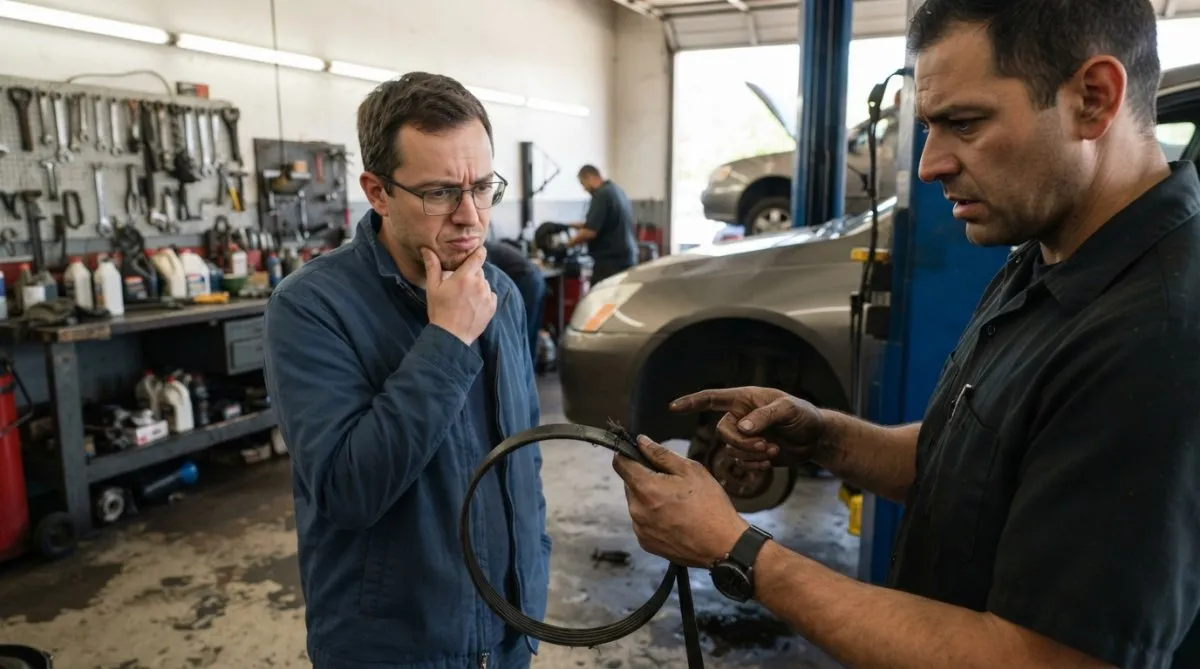
Table of Contents
- Start With the Estimate: Red Flags in Writing
- Signs a Mechanic Is Overcharging You on Labor
- Watch for These Unnecessary Repair Tactics
- Questions to Ask a Mechanic Before Repairs Begin
- How to Get a Second Opinion on Car Repairs
- Spotting Diagnostic Tool Scams and Fake Fault Codes
- What to Do If You Suspect a Mechanic Scam
- Post-Repair Verification: Check the Work Was Done
- Your Rights and the Path to a Trustworthy Shop
- Frequently Asked Questions
Last Updated: September 6, 2026
Start With the Estimate: Red Flags in Writing
The best way to spot dishonest auto repair shops is to examine how they present their work before a single wrench turns. A written estimate is your first line of defense, and a legitimate shop will always provide one before starting any work. In this guide from TIPS Automotive, we break down the specific tactics used by dishonest auto repair operations so you can protect your wallet and your vehicle.
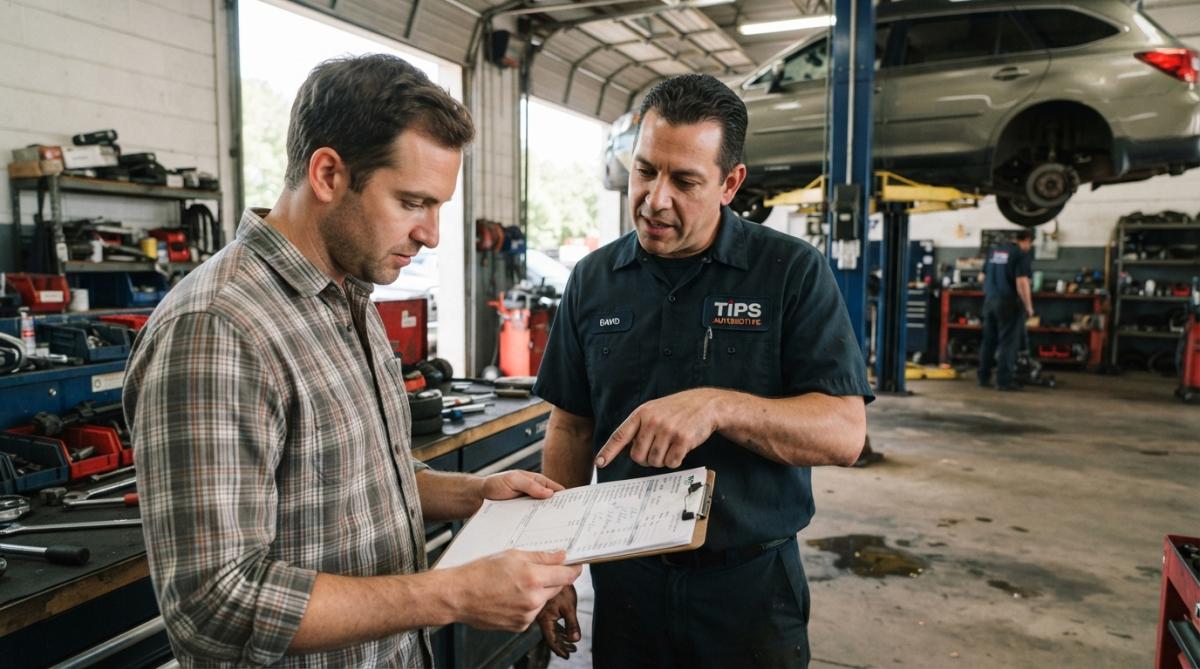
Your estimate should list every part with a clear description, every labor line item, and a stated shop policy on authorization. Red flags appear when the document is vague, uses “miscellaneous” charges, or quotes a price range so wide it means nothing. A common tactic is presenting an estimate verbally and pushing for immediate approval before you have time to think. If a shop refuses to put numbers in writing, that refusal alone tells you everything you need to know about their intentions.
Watch Out
Never approve work based on a verbal estimate alone. If a shop insists you authorize repairs immediately or the price “will only go up,” walk away. This pressure tactic exists to prevent you from comparing prices or asking questions.
Never approve work based on a verbal estimate alone. If a shop insists you authorize repairs immediately or the price “will only go up,” walk away. This pressure tactic exists to prevent you from comparing prices or asking questions.
Signs a Mechanic Is Overcharging You on Labor
Labor charges are where dishonest auto repair shops inflate their profits, and the signs a mechanic is overcharging you are often hiding in plain sight on the invoice. Labor hours should reflect the actual time a job takes, not the time it takes a slow technician to complete it. Industry standard repair times are published in widely used labor guides, and any reputable shop references them when building an estimate.
How labor guides actually work. Most shops subscribe to a database like Mitchell 1 or ALLDATA, which publishes standard labor times for every common repair on every make and model. These times are derived from real-world testing and represent what a competent technician should need. For example, a front brake pad replacement on a typical sedan is listed at around 1.5 to 2.0 hours. If your invoice shows 4.0 hours for that same job, either the shop is billing you for work they did not do, or they are using a flat-rate system to pad the bill. Ask the service advisor to show you the labor time from their guide. A legitimate shop will pull it up on their screen without hesitation. A dishonest one will give you a vague answer about “experience” or “special circumstances.”
Common labor billing fraud patterns. Beyond inflated hours, watch for these specific tactics:
- Double-billing overlapping labor. Some shops charge full labor for each component in an assembly. For instance, replacing a water pump and a timing belt often shares labor because the belt must be removed to reach the pump. An honest invoice shows a reduced combined labor time. A dishonest one lists full hours for both.
- Charging diagnostic time as repair time. If you paid a $100 diagnostic fee, that time should not also appear as “system testing” on the repair invoice. You are paying for the diagnosis once.
- Billing for “shop supplies” at inflated rates. A $5 can of brake cleaner should not appear as a $25 line item. Legitimate shops include minor supplies in their hourly rate or charge a modest, itemized fee.
- Adding labor for parts that snap in. Many modern parts, like air filters, cabin filters, or battery terminals, require no modification. If you see 0.5 hours of labor for a part that takes 10 minutes to install, question it.
How to verify labor hours yourself. Before approving any repair, ask for the labor hours per line item. Then do a quick online search for “[your make and model] + [repair name] + labor time” to see typical published ranges. You can also call a dealership or an independent specialty shop and ask what they would charge for the same job. You do not need to give your name or VIN; just ask for a ballpark quote. If your estimate is 50% higher than the industry norm, that is a red flag.
Watch Out
If a shop refuses to show you the labor guide or explain how they arrived at the hours, do not authorize the work. A written estimate that does not break out labor hours by task is not an estimate, it is a blank check.
If a shop refuses to show you the labor guide or explain how they arrived at the hours, do not authorize the work. A written estimate that does not break out labor hours by task is not an estimate, it is a blank check.
The flat-rate trap explained. Many shops pay technicians on a flat-rate system, meaning the technician earns a set number of hours per job regardless of how long it actually takes. This system is not inherently dishonest, but it creates an incentive to quote more hours than the job requires. A technician who quotes 5 hours for a 2-hour job is not stealing time from you, they are inflating the shop’s revenue and their own paycheck. Ask the service advisor directly: “Are you quoting me book time or actual time?” If they say book time, ask to see the book. If they say actual time, ask how they estimated it. The answer should be specific and verifiable.
What a fair invoice looks like. A transparent labor charge includes the hourly rate (typically $100-$150 per hour at independent shops in most U.S. markets), the published labor hours, and a clear description of the work performed. It does not include vague line items like “general maintenance” or “system check.” If your invoice has any of those, request an itemized breakdown before you pay.
Watch for These Unnecessary Repair Tactics
Dishonest auto repair shops often recommend work you do not need, and their tactics follow predictable patterns. The most common approach is bundling: telling you the alternator is failing, so you should also replace the battery and starter “while we are in there.” Another frequent scam involves recommending preventative maintenance that is nowhere near due based on your mileage or service schedule.
- Suggesting a full brake system replacement when only front pads are worn
- Claiming a check engine light requires a new sensor without showing you the fault code
- Recommending fluid flushes that are not part of your vehicle’s factory schedule
- Insisting on aftermarket parts when original equipment manufacturer parts are required under warranty
The throughline here is a lack of transparency. A legitimate shop explains why a repair is needed and shows you the evidence, whether that is a worn part, a fault code, or a measurement that falls outside specification. If a technician cannot show you the problem, they should not be selling you the fix.
The modern scam: diagnostic codes as a sales script. The most common unnecessary repair tactic today does not involve a worn part you can see, it involves a fault code you cannot interpret. Every vehicle built after 1996 has an onboard diagnostic system that stores codes when something goes wrong. Dishonest shops exploit your lack of familiarity with these codes to sell parts and labor you do not need. Here is how the scam works in practice:
- The code is real, but the diagnosis is wrong. A code like P0420 (catalyst efficiency below threshold) can mean a failing catalytic converter, but it can also mean a small exhaust leak or a faulty oxygen sensor. A dishonest shop points at the code and quotes $1,200 for a new converter. An honest shop checks the live sensor data, inspects the exhaust system, and tells you the real cause.
- The code is a history code, not a current failure. Many codes are stored from a temporary glitch, a loose gas cap, a moment of misfire on a cold start, and never return. A shop that clears the code, sees it does not reappear, and still recommends a $300 sensor replacement is selling you a problem that does not exist.
- The software update upsell. Automakers frequently release software updates that fix false codes or improve engine behavior. A dishonest shop may tell you the engine control module is “failing” and needs replacement when the actual fix is a $50 software update. Ask specifically: “Is there a manufacturer technical service bulletin or software update for this code?” A legitimate shop will check.
How to protect yourself with digital evidence. Before you authorize any diagnostic-related repair, take these steps:
- Ask for the exact code in writing. Write it down yourself. Then search online for “[code] + [your make and model]” to see common causes. You do not need to be a mechanic to understand the top three possibilities.
- Take a photo of the code on the shop’s scanner screen. If they refuse to show you the screen, that is a red flag. A legitimate shop has nothing to hide.
- Ask if the code is current or stored. A current code means the problem is happening now. A stored code means it happened in the past. If it is stored, ask if clearing it and re-testing is an option before any parts are replaced.
- Get the code cleared and drive for a week. Many shops will clear the code for free or a small fee. If the check engine light does not return, the problem was likely temporary. If it does return, you now have a current code to take to a second shop for an independent diagnosis.
Pro Tip
Use your phone to record the diagnostic process. Take a video of the scanner screen showing the code, the date, and the vehicle’s mileage. This creates a timestamped digital record you can share with a second shop or a consumer protection agency if the repair goes wrong.
Use your phone to record the diagnostic process. Take a video of the scanner screen showing the code, the date, and the vehicle’s mileage. This creates a timestamped digital record you can share with a second shop or a consumer protection agency if the repair goes wrong.
The “preventative maintenance” trap with a digital twist. Some shops use your vehicle’s onboard service reminder system to push unnecessary work. They may claim the system “flagged” a service that is not due according to your owner’s manual. The service reminder is based on mileage and time intervals, not on an actual inspection of your vehicle. Ask the shop to show you the specific interval in your owner’s manual or on the manufacturer’s website. If they cannot, the recommendation is not based on your vehicle’s actual condition, it is based on their revenue targets.
The evidence rule. A legitimate shop shows you the problem before they sell you the fix. For a worn brake pad, they show you the pad. For a leaking hose, they show you the drip. For a fault code, they show you the live data. If the only evidence you receive is a verbal claim and a dollar figure, you are not being given a diagnosis, you are being given a sales pitch.
Questions to Ask a Mechanic Before Repairs Begin
The right questions to ask a mechanic before repairs begin separate honest shops from those hoping you will not ask anything at all. Come prepared with a short list and write down the answers. A trustworthy technician welcomes specific questions because they have nothing to hide.
Start with authorization and communication: “Will you call me if the repair turns out to be more expensive than the estimate?” Then move to parts and warranty: “Are you using original equipment manufacturer or aftermarket parts, and does the warranty change based on which one you install?” Ask about the diagnostic process itself: “Can you show me the fault codes you found and explain what they mean?” Finally, confirm the shop policy on old parts: “Can I have the replaced parts back?” How a service advisor answers these questions tells you more than any review online.
How to Get a Second Opinion on Car Repairs
Knowing how to get a second opinion on car repairs is a practical skill that saves money, and it is simpler than most people assume. When a repair estimate feels inflated, take the written quote to another shop and ask them to evaluate it. Most reputable shops will review the estimate for free or for a modest diagnostic fee, and they will tell you honestly whether the recommended work is necessary.
Before you book the second opinion, gather your evidence: the written estimate, any fault codes you have seen, and your vehicle’s service history. A second shop cannot evaluate a verbal recommendation, so insist on documentation first. When the second opinion conflicts with the first, ask the second shop to explain why in terms you can understand. The explanation should reference your specific vehicle, not generic talking points. If two independent shops agree on the same repair, you can proceed with confidence. If they disagree sharply, that discrepancy is a strong signal one of them is not being honest.
Spotting Diagnostic Tool Scams and Fake Fault Codes
A growing scam in the industry involves dishonest auto repair shops using diagnostic tools to invent problems that do not exist. Every modern vehicle stores fault codes, but not every fault code means a part has failed. A code can indicate a loose gas cap, a temporary sensor reading, or a wiring issue that costs pennies to fix. Dishonest shops exploit this by pointing at the code and declaring the most expensive related part is dead.
The diagnostic tool scam works because most drivers never see the actual code or the data behind it. A legitimate technician interprets the code in context, checks live sensor data, and explains the difference between a hard failure and a stored history code. Before approving any diagnostic-related repair, ask the shop to write the specific code on your estimate and explain what the code means. Then verify that explanation independently. A shop that refuses to share the code is almost certainly using the tool as a prop, not a diagnostic instrument.
What to Do If You Suspect a Mechanic Scam
If you believe you have been a victim of a dishonest auto repair shop, act quickly and document everything. Your first step is to stop payment on any work not yet completed and retrieve your vehicle. Then gather every piece of evidence: the original estimate, the final invoice, photos of any replaced parts, and any written communication about the repairs. This documentation is what what to do if you suspect a mechanic scam hinges on, because without it your complaint has no foundation.
From there, escalate through the proper channels. Contact the shop owner directly and lay out your concerns in writing, referencing the specific discrepancies you found. Many disputes resolve at this stage when a shop realizes you have documentation. If the shop refuses to make it right, file a complaint with your state attorney general’s consumer protection division and your local Better Business Bureau. For credit card payments, you may also have recourse through a chargeback if the services were not delivered as described. The Federal Trade Commission guidance on auto repair complaints outlines the steps consumers can take when they believe a shop has engaged in deceptive practices.
Post-Repair Verification: Check the Work Was Done
The repair is finished and you have paid, but post-repair verification is a step too many drivers skip. Before you drive off, ask to see the repair order and confirm the completed work matches the estimate you approved. Check that the invoice lists the same parts and labor you authorized, and verify the odometer reading on the paperwork matches your actual mileage.
A quick visual inspection catches many problems. Look for fresh parts where replacements were promised, check that fluid levels are correct, and listen for new noises during your test drive. If you requested old parts back, confirm they are in the vehicle before you leave. Within a few days, monitor for any return of the original symptoms. A repair that does not fix the problem is not a repair, and a reputable shop will stand behind their work with a warranty. Document any issues immediately and contact the shop before taking the vehicle elsewhere, since moving the car can complicate warranty claims.
Your Rights and the Path to a Trustworthy Shop
Understanding your consumer rights in auto repair gives you the confidence to push back when something feels wrong. Every state has specific regulations governing auto repair, and most require shops to provide written estimates, obtain authorization before exceeding the estimate, and return replaced parts upon request. The consumer guides published by the Federal Trade Commission explain these protections in plain language, and your state attorney general’s office publishes the specific rules that apply where you live.
The path forward is choosing a shop that makes transparency a habit rather than a selling point. At TIPS Automotive, our certified technicians combine digital diagnostic technology with old-school honesty, and we explain every recommendation in plain English before any work begins. We operate on the principle that customer trust matters more than any single repair profit, which is why our customers tell us they appreciate the family feel and straightforward service. When you need a shop that will show you the fault codes, hand you the old parts, and stand behind the work, the Better Business Bureau’s auto repair tips recommend asking exactly the questions outlined in this guide.
Finding a repair shop you can trust should not require a mechanical engineering degree. It requires asking the right questions, demanding written documentation, and knowing the signs of dishonest auto repair before you commit. TIPS Automotive was built on the belief that transparency and certified expertise belong together, which is why we offer same-day service and free pickup and drop-off within a 10-mile radius. Call now and schedule your service with technicians who treat your vehicle and your budget with respect.
Frequently Asked Questions
What is the $3000 rule for car repairs?
The $3000 rule is a general guideline suggesting you should get a second opinion before authorizing any repair that costs more than $3000 or roughly one-third of your car’s value. It is not a legal standard. The principle applies to any major repair, not just that exact dollar amount. A reputable shop will support your decision to seek a second opinion on expensive work.
What are the red flags of an untrustworthy automobile repair shop?
Key red flags include refusing to give a written quote, demanding authorization for vague services, quoting labor hours well above factory standards, and pushing parts replacements without showing the failed part. A shop that pressures you to approve work immediately or discourages second opinions is also a warning sign. Trustworthy shops explain their reasoning clearly and document everything on the repair order.
Should I get a second opinion before authorizing expensive car repairs?
Yes, especially for repairs over $300 or those involving major components. A second opinion helps you verify the diagnosis and compare pricing for parts and labor. Ask the second shop for a written estimate. Compare the labor hours against factory-recommended times. If the two diagnoses differ significantly, a third opinion may be worth the diagnostic fee.
What rights do consumers have under state auto repair laws?
Most states require shops to provide a written estimate and get your authorization before work exceeds that estimate by a set amount, often 10 percent. You have the right to approve all parts replacements and request the return of old parts. If you suspect a scam, you can file a complaint with your state’s attorney general or consumer protection office.


Comments are closed