

Subtotal $0.00

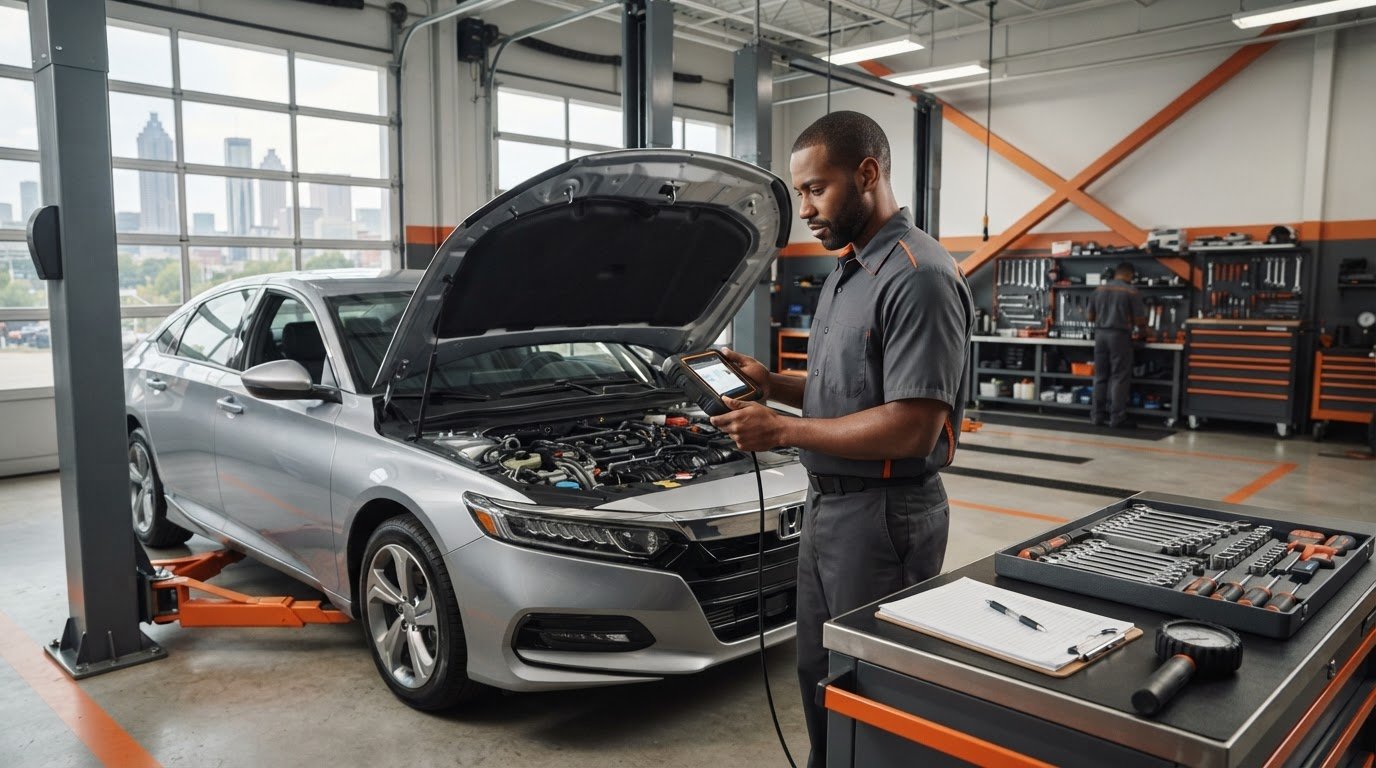
If you’re asking why not to go to a dealership for repairs, start with the job your vehicle needs, not the name on the service building. A dealership may be the right fit for a recall, a warranty-related concern, or work that requires brand-specific tools or software. For diagnostics, brakes, engine work, or routine maintenance, an independent shop may also be a practical option. The best choice depends on the repair and the provider’s ability to handle it.
It’s reasonable to want dependable work without risking warranty coverage or paying for repairs you don’t understand. Choosing an independent shop doesn’t automatically void a vehicle warranty, but coverage for a specific claim depends on the warranty terms and circumstances, including whether a repair caused the problem. Keep service records, ask what testing supports a recommendation, and compare written estimates before deciding.
This guide explains how to compare independent and dealership service based on the repair, warranty details, and expertise required. You’ll find questions to ask, situations where dealer tools or software may matter, and practical ways to assess providers in Atlanta. TIPS Automotive is an independent Atlanta repair facility offering diagnostic services and mechanical work, including engine, transmission, brake, and suspension repairs.
Key Takeaways
- Dealerships and independent shops can both be suitable. Match the provider to the repair and the expertise it requires.
- When considering why not to go to a dealership for repairs, compare diagnostic evidence, written recommendations, and estimate details instead of relying on assumptions.
- Before choosing an independent shop, confirm it handles your vehicle and repair, and ask what equipment and experience the work requires.
- Review your written warranty terms and keep maintenance and repair records. Coverage for a specific claim depends on the circumstances.
- In Atlanta, make a considered choice by gathering your vehicle records, asking clear questions, and comparing findings before booking.
Why consider an independent auto repair shop instead of a dealership?
Dealership service can be the right choice when a repair involves a manufacturer campaign, a recall, or a service that only the dealer can perform. But a dealership isn’t the only place to investigate. Drivers can compare providers based on their experience, communication, and ability to complete the specific work.
An independent repair shop isn’t operated as a dealership for a particular vehicle brand, and its service scope varies. Some shops focus on a narrow set of repairs. Others handle diagnostics and related mechanical work in one facility. TIPS Automotive is an independent Atlanta repair facility offering diagnostic services and mechanical repairs, including engine, transmission, brake, and suspension work. Confirm that any shop you consider handles your vehicle and the repair it needs.
So, why not to go to a dealership for repairs? The useful question is whether another qualified provider can do the specific work and explain it clearly. Compare service scope and appointment availability, then ask what the estimate includes, what testing supports the diagnosis, and whether you’ll receive the findings in writing. Don’t assume a dealership is automatically better or that every independent shop offers the same expertise. Assess the people, process, and evidence for your repair.
What can an independent shop offer that a dealership may not?
You may be able to speak directly with the repair team at an independent shop, but that isn’t guaranteed. Ask who will explain the diagnostic findings, available options, and recommended next steps. A multi-service facility may be able to investigate a concern and address related mechanical repairs in the same place, depending on its capabilities and your vehicle. Before booking, confirm that the shop has the appropriate equipment and experience for your repair. The broader Right to Repair Act discussion offers context on access to repair information and tools. It doesn’t guarantee that every shop can service every vehicle.
When does dealership service still make sense?
Contact the manufacturer or dealer about recalls, manufacturer-specific campaigns, and services that may be available only through the dealership. If your concern involves vehicle-specific software or a warranty question, ask whether dealer tools or guidance are required. That doesn’t mean every newer, complex, or unfamiliar vehicle must go to a dealership. Check what the specific repair calls for, then compare providers based on their ability to do that work.
In short: Consider independent shops as another qualified option for diagnosis or mechanical repair. Choose based on demonstrated capability, clear communication, and repair evidence, not the badge alone.
How to compare dealership and independent repair expertise
A dealership’s connection to a vehicle brand can be useful, but it doesn’t by itself show whether a particular diagnosis is thorough. An independent shop may also have the tools and experience for the job. For either provider, ask about its capabilities for your vehicle and concern, and how the recommended repair follows from the evidence.
| What to compare | Questions to ask |
|---|---|
| Repair type | Does the shop handle this system and repair on my vehicle’s make and model? |
| Diagnostic approach | What tests were performed, and how do the results connect to the reported symptom? |
| Warranty questions | Could this work relate to an active warranty or manufacturer campaign? Should I confirm requirements with the manufacturer? |
| Estimate detail | Does the written estimate separate diagnostic work, parts, labor, and any additional recommendations? |
Access to tools and information matters, but it doesn’t establish skill on its own. The Auto Care Association’s overview of dealership and independent repair expertise discusses independent shops’ access to vehicle repair information. Still, verify the shop’s equipment, training, and hands-on experience for your specific vehicle and repair. Ask for an explanation that connects the symptom, test results, and proposed work. If the recommendation is unclear, request clarification before authorizing repairs.
What should you ask about diagnostics and technician experience?
Ask which tests support the diagnosis and whether the technician can walk you through the results. Find out how familiar the repair team is with your vehicle’s make, model, and affected system. For a check-engine concern, this Atlanta car diagnostic service guide explains why the trouble code is a starting point, not the whole answer.
A diagnostic scan reads information from the vehicle; a complete diagnosis uses testing and inspection to determine what’s causing the problem. A code can point to a system or circuit without proving which component has failed. Ask what additional tests, if any, were used to narrow down the cause.
How should you compare repair estimates?
Look for a written estimate that separates diagnostic charges, parts, labor, and any additional recommended work. Ask which items need attention promptly, which can wait, and what evidence supports each recommendation. Parts, vehicle condition, and repair scope can all affect an estimate, so compare what each shop proposes to do, not just the total.
If you’re weighing why not to go to a dealership for repairs, use the same questions with both providers. For a local option, review TIPS Automotive’s diagnostic and mechanical repair services, then confirm the shop handles your vehicle and specific repair.
Will choosing an independent shop affect your vehicle warranty?
Having maintenance or repairs performed by an independent shop doesn’t automatically void a vehicle warranty. Under the federal Magnuson-Moss Warranty Act, a manufacturer generally can’t deny warranty coverage simply because you chose an independent provider. However, coverage for a specific claim may be denied if the manufacturer can show that an improper repair or aftermarket part caused the damage being claimed. The details matter, so don’t treat this general rule as a guarantee about your vehicle or a particular repair.
That distinction helps answer why not to go to a dealership for repairs: where you have service performed and whether a specific warranty claim qualifies are separate questions. Maintenance records can help show that scheduled service was performed, but they don’t establish that a later failure is covered. Check your written warranty and ask the manufacturer how its terms apply before authorizing work connected to a possible claim.
What should drivers verify before authorizing warranty-related work?
Start with the warranty booklet. Review the maintenance schedule, exclusions, and documentation requirements for your vehicle. If a repair may relate to an active warranty claim, contact the manufacturer or dealer before work begins. Describe the concern and ask whether the work should be inspected or authorized through a particular process. Keep a record of the guidance you receive, including the date and the person or department you spoke with.
Before warranty-related work, verify the written terms and claim requirements with the manufacturer; coverage depends on the specific facts. If the answer is unclear, ask for an explanation in writing. For guidance on your rights, consult current Federal Trade Commission materials as well as your vehicle’s warranty documents.
How can you keep useful maintenance records?
Good records make later service conversations more specific. Save itemized invoices, diagnostic results, and details about parts installed. Note the date, odometer reading, work authorized, and reason for the visit. Keep digital copies together in one folder or store paper documents in one place so you can find them when needed.
- Keep receipts for routine maintenance and repairs, whether completed at a dealership or an independent shop.
- Save written estimates, inspection findings, and diagnostic documentation alongside the final invoice.
- Record any manufacturer or dealer instructions related to a warranty concern.
Complete documentation can clarify what service was performed and when, which may help during a future repair or warranty discussion. It won’t guarantee coverage, but it gives you a clearer account to share when questions arise.

How to decide where to take your car in Atlanta
A simple process can make the choice less stressful. Before booking, work through these steps:
- Identify the concern. Note what the vehicle is doing, when it happens, and any warning lights or unusual sounds. Specific details can help the shop understand the conditions in which the problem occurs.
- Gather records. Bring recent service documents, diagnostic results, and any written estimates related to the issue.
- Ask questions. Confirm the shop handles your vehicle and the system involved. Ask how findings and additional recommendations will be explained.
- Compare findings. Look for a clear connection between the concern, test results, and proposed work.
- Choose deliberately. Consider service scope, communication, documentation, and realistic scheduling, not just the first available appointment.
For engine or transmission concerns, review this Atlanta engine and transmission repair guide as you prepare questions for a provider. If you’re dealing with a brake concern, seek a prompt professional assessment rather than delaying a safety-related repair. A shop can explain the condition and recommended next steps so you can make an informed decision.
Which questions help you assess an Atlanta repair shop?
Ask whether the shop handles your vehicle’s make and model and the specific system that needs attention. Find out who will explain the findings and how the shop will get your approval before performing additional work. Confirm operating hours and appointment availability directly before making plans. TIPS Automotive is one Atlanta option for diagnostic services and mechanical work, including engine, transmission, brake, and suspension repairs. Confirm that it handles your specific vehicle and concern.
When should you get a second opinion?
Consider another assessment if a diagnosis is unclear or the recommended work hasn’t been explained in a way you understand. Bring earlier diagnostic reports and estimates. A second shop can review those records and determine whether further testing is appropriate, though it may need to repeat tests to verify the concern. Compare the evidence and repair scope, not just the estimated total.
If you’re deciding where to take your car, check that the provider’s schedule fits your needs and ask how updates and approvals will be handled. TIPS Automotive operates Monday through Friday; confirm current hours and appointment availability directly. To discuss diagnostic or mechanical service for your vehicle, contact TIPS Automotive and ask whether the shop handles your specific concern.
Choose the repair provider that fits the job, not just the badge
The right choice depends on the repair your vehicle needs. Consider whether the provider has experience with the vehicle and system, can explain the diagnostic evidence, and can complete the work within any applicable warranty requirements. Dealerships and independent shops can both be appropriate. The goal isn’t to rule out one type of provider, but to choose based on the work and the information available.
That’s the practical answer to why not to go to a dealership for repairs: you may have another suitable option, but check the shop’s capabilities and compare its findings before deciding. If the issue involves a warranty claim, manufacturer campaign, or brand-specific service, confirm requirements with the manufacturer or dealer. For other concerns, ask any prospective provider how it will diagnose the problem and explain its recommendations.
What should you bring to a repair appointment?
A clear history helps the repair team understand what’s changed and when. Bring useful records, describe symptoms as specifically as you can, and ask questions before authorizing work. To prepare for the appointment, gather:
- A note describing the symptoms, when they occur, warning lights, and recent changes in vehicle performance.
- Maintenance records, previous diagnostic results, and written estimates related to the concern.
- Questions about what the findings mean, which work is recommended, and what can wait.
Ask the shop to explain its findings and get your approval before additional work proceeds. This helps keep the repair scope clear and gives you a chance to understand each recommendation before deciding.
How can TIPS Automotive help with diagnostics and repairs?
TIPS Automotive is an independent Atlanta repair facility offering diagnostics and engine, transmission, brake, and suspension work. As with any shop, confirm that it handles your vehicle and specific concern, and ask how the team will communicate its findings and recommendations.
Use the same decision framework with any provider: match the work to the shop’s capabilities, review the evidence, and check warranty requirements where relevant. If you’d like to discuss a vehicle concern with a local independent shop, contact TIPS Automotive.
Make Your Next Repair Decision With Confidence
The right repair provider is equipped for your vehicle’s specific needs. Compare the diagnostic evidence, confirm the shop’s experience with the repair, and check your warranty terms when coverage may be involved. Dealership and independent service can both make sense, so focus on clear findings and a repair plan you understand.
If you’re still weighing why not to go to a dealership for repairs, remember that the badge alone doesn’t tell you whether a provider is the right fit. Ask questions, review written recommendations, and keep your service records close at hand.
TIPS Automotive is an independent Atlanta repair facility offering diagnostic services and mechanical repairs for engines, transmissions, brakes, and suspension. To discuss a vehicle concern and ask whether the shop handles your repair, contact TIPS Automotive.
Frequently Asked Questions
Is an independent mechanic as good as a dealership?
An independent mechanic can be a good fit when the shop has the equipment, training, and experience your specific vehicle and repair require. Dealerships may have brand-specific tools or expertise for certain services, but the badge alone doesn’t establish the quality of a diagnosis. Ask what tests support the recommendation, how the findings will be explained, and whether the shop regularly works on your vehicle’s make and model.
Can an independent repair shop work on a car under warranty?
Yes, an independent shop can generally perform maintenance and repairs on a vehicle that’s still under warranty. Before authorizing work, review your warranty booklet for maintenance schedules and documentation requirements, and keep itemized invoices and service records. If the work relates to a specific warranty claim, contact the manufacturer or dealer first to confirm the process. Whether a particular claim is covered depends on the written terms and circumstances.
Will my car warranty be void if I do not go to the dealership?
No, choosing an independent shop doesn’t automatically void your vehicle’s warranty. The Magnuson-Moss Warranty Act generally prevents a manufacturer from denying coverage solely because you used an independent provider. However, coverage for a specific claim may be denied if an improper repair or part caused the problem. Check your written warranty, follow its maintenance requirements, and retain dated records. Ask the manufacturer about any repair connected to a warranty claim.
Why might dealership repairs cost more?
Dealership and independent-shop estimates can differ because repair scope, parts choices, diagnostic needs, and service processes vary. A dealership may use brand-specific tools or procedures for certain work, while an independent shop may take a different approach. Neither type of provider is always less expensive. Compare written estimates line by line, including diagnostic work, parts, labor, and additional recommendations, and ask what evidence supports each item before deciding.
When should I take my car to a dealership instead of an independent shop?
Contact the dealership or manufacturer when your concern may involve a recall, manufacturer-specific campaign, warranty claim, or service that requires dealer-only tools or software. Ask whether the specific work must be handled through the dealership. A newer or technically complex vehicle doesn’t automatically require dealer service. Verify the expertise and equipment the repair calls for, then choose a provider that can meet those needs.
How do I choose a trustworthy auto repair shop in Atlanta?
Choose an Atlanta shop by checking whether it handles your vehicle and repair, explains diagnostic findings clearly, provides written recommendations, and confirms approval before additional work. Ask about appointment availability and realistic scheduling, and compare evidence rather than estimates alone. TIPS Automotive is an independent Atlanta repair facility offering diagnostics and mechanical repairs. Confirm directly that the shop handles your specific vehicle and concern.
Can an independent shop diagnose a check engine light?
Yes, an independent shop can diagnose a check engine light if it has the appropriate equipment and experience for your vehicle. A scan can retrieve a trouble code, but the code doesn’t always identify the failed part; further testing may be needed to find the cause. TIPS Automotive provides diagnostic services and check-engine-light troubleshooting in Atlanta. Ask what tests support the diagnosis and how the results connect to the recommended repair.

